 Pin
Pin I still remember the moment I decided to create the Olympic Rings platter—it was the day my best friend called to say she'd gotten tickets to the Olympics, and I wanted to celebrate with something as visually memorable as the event itself. I'd been experimenting with colorful appetizers for months, but that conversation sparked the idea to arrange five interlocking circles on a platter, each one a different color, each one telling its own delicious story. What started as a playful design concept became my signature dish for celebrations, the kind that makes guests gasp when they see it before they even taste it.
The first time I made this for a dinner party, I watched my guests actually gather around the platter before sitting down, phones out, taking photos. Someone said it was too pretty to eat, and another guest replied, 'Let's eat it anyway.' That moment—seeing food become the centerpiece of joy and connection—that's when I knew this wasn't just an appetizer, it was an experience.
Ingredients
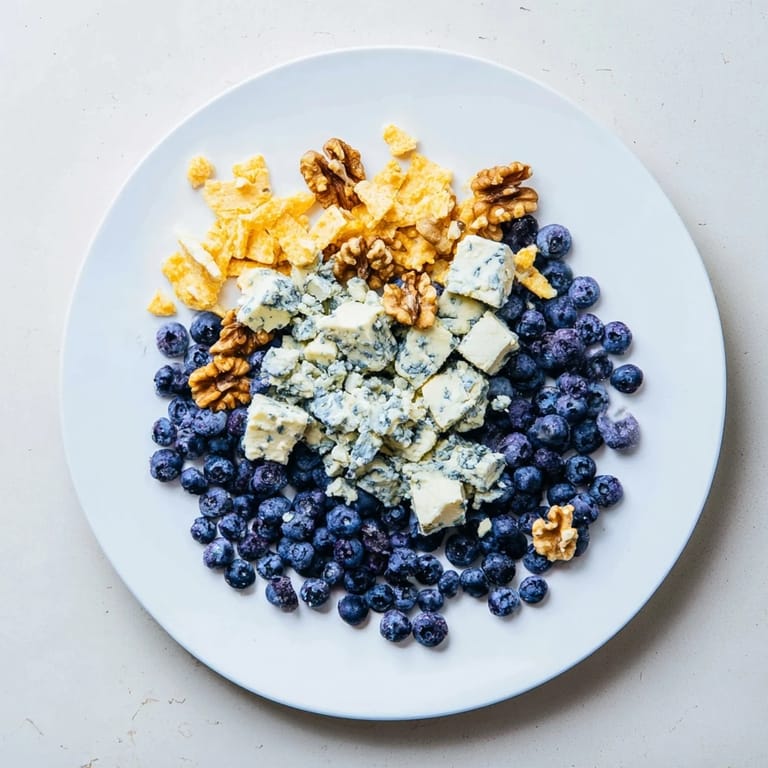
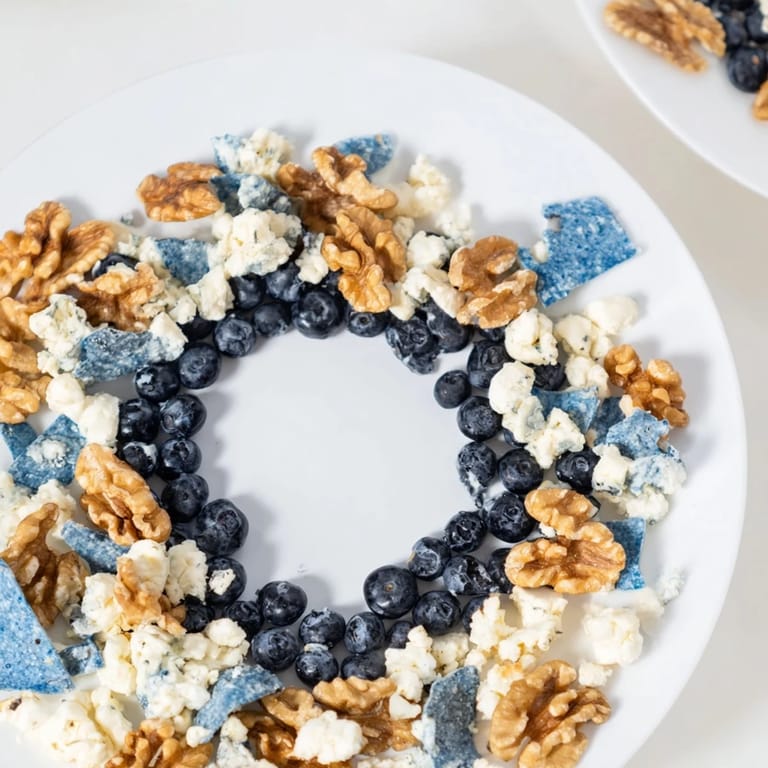
- Blueberries: These are the heart of the blue ring, and I always choose plump, fresh ones because they're the first thing people notice—they should be at their most vibrant to anchor that cool, Olympic blue
- Blue corn tortilla chips: They add a satisfying crunch and keep the color theme pure; break them by hand so they look rustic and inviting
- Blue cheese, crumbled: A bold, salty contrast that makes every other ingredient shine—use a good quality blue because you taste every crumble
- Toasted walnuts: These add earthiness and texture; toasting them yourself makes all the difference in their flavor
- Yellow cherry tomatoes: The sweetness of these is what drew me to the yellow ring in the first place—they're like little pockets of summer
- Yellow bell pepper, diced: Fresh and crisp, this keeps the ring feeling light and ensures every taste includes a vegetable moment
- Pineapple chunks: The tropical note that makes guests smile; it's unexpected and delightful
- Toasted cashews: Buttery and warm, they balance the brightness of the yellow ingredients
- Black olives, sliced: Briny and bold, they anchor the black ring with sophistication
- Black grapes, halved: These bring sweetness to the earthiness of olives and create a beautiful visual contrast
- Black bean hummus: This is my secret weapon—it's creamy, nutritious, and holds the black ring together visually and flavor-wise
- Pumpernickel bread, cut into small rounds: Toast these lightly just before arranging so they stay crisp; they're the foundation for the hummus
- Cucumber slices: The green ring should feel fresh and cooling; these are essential for that crisp, clean bite
- Green grapes, halved: They echo the sweetness of the yellow ring but with a garden-fresh quality
- Edamame, shelled and steamed: Nutty and tender, these add protein and substance to what might otherwise feel too light
- Fresh basil leaves: Tear them gently just before serving so the flavor stays bright and the leaves don't blacken
- Cherry tomatoes, halved: These are the soul of the red ring—choose ones that are truly red, not pink
- Red bell pepper, diced: Sweet and crisp, it echoes the tomatoes and brings visual harmony
- Strawberries, halved: This was my gamble, pairing fruit with savory, but it works—the sweetness plays beautifully against the tomato
- Roasted red pepper hummus: Silky and slightly smoky, this spread makes the red ring feel sophisticated and complete
Tired of Takeout? 🥡
Get 10 meals you can make faster than delivery arrives. Seriously.
One email. No spam. Unsubscribe anytime.
Instructions
- Prepare your canvas:
- Find a large, clean serving platter or board—something that makes you feel like an artist, because you are about to create something beautiful. If you want to sketch the rings lightly with pencil first using parchment paper as a guide, go ahead; it's helpful for beginners, but honestly, you'll develop a feel for the spacing once you start arranging.
- Arrange the blue ring:
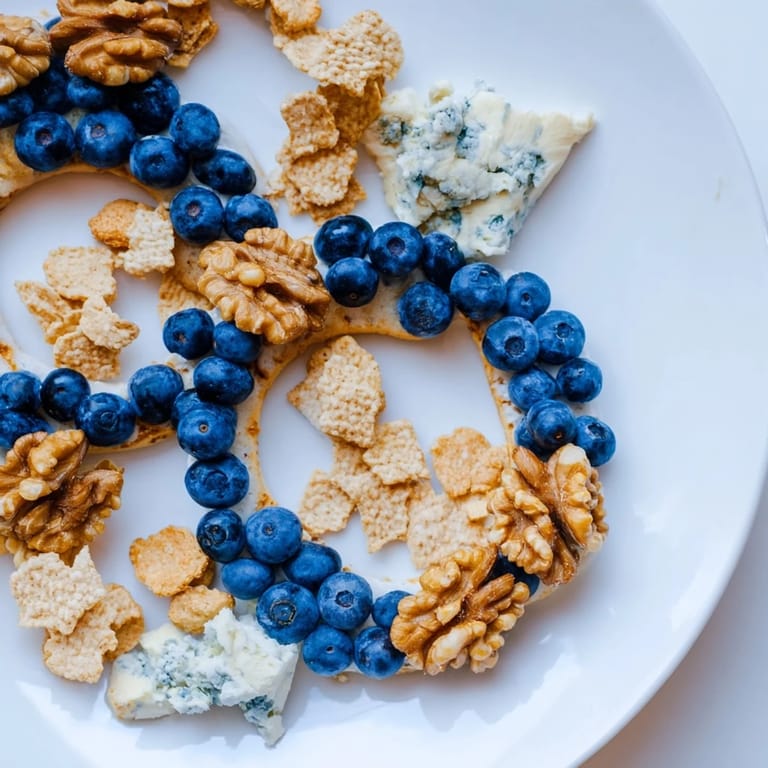
- Start on the left side of your platter, forming a circle with your blueberries first—they're the easiest to position. Scatter blue cheese crumbles throughout, then add broken tortilla chips for texture and crunch, finishing with toasted walnuts nestled between everything. Step back and look at it; the colors should sing together.
- Layer in the yellow ring:
- This ring overlaps slightly with the blue, so position it carefully where the two rings would naturally cross. Start with yellow cherry tomatoes, then add diced yellow bell pepper, pineapple chunks for sweetness, and toasted cashews distributed evenly. The yellow should feel bright and summery.
- Build the black ring:
- Move to the top center of your platter now. Arrange black olives in a circular pattern, then scatter halved black grapes for sweetness. Spread small spoonfuls of black bean hummus around the ring on the pumpernickel rounds—this ring is about sophistication and balance.
- Create the green ring:
- Position this ring in the bottom section, overlapping with the black ring above it. Arrange cucumber slices in a fan-like pattern for visual interest, scatter green grapes, and distribute shelled edamame evenly. At the last moment, tear fresh basil leaves and scatter them—they're your fresh final touch.
- Complete the red ring:
- Finish with the final ring, overlapping with both the yellow and green rings. Arrange halved cherry tomatoes, diced red bell pepper, and halved strawberries in a balanced pattern. Add spoonfuls of roasted red pepper hummus on small bases if you have them, or just dot it artfully around the ring.
- Step back and admire:
- Really look at what you've created—the interlocking circles, the color story, the abundance. This is the moment before service when everything feels fresh and possible. Serve immediately while everything is at peak freshness, or cover loosely with plastic wrap and refrigerate for up to 2 hours before your guests arrive.
 Pin
Pin What moves me most about this platter is that it's genuinely democratic—there's something for everyone, every flavor preference, every dietary choice. I've watched people who normally sit quietly light up when they find their favorite thing on this platter, watched groups cluster around it telling stories, watched it become the thing that people texted about days later.
The Art of Color on a Platter
I learned early on that color is flavor to the eye first. When you're building something this visually striking, you're not just feeding people—you're creating an expectation of joy. Each ring needs its ingredients distributed so that the color shines through immediately; if your blue ring has mostly blue cheese and little blueberries, it loses its punch. Think of each ingredient as a brushstroke, and you're painting with food. The overlapping of the rings is where the magic happens—where two colors meet and create a new shade together, just like the Olympic rings symbol itself suggests unity through intersection.
Building for Your Crowd
This platter is endlessly adaptable, and that's actually the most important lesson I've learned about feeding people well. If someone's allergic to nuts, swap the walnuts and cashews for toasted seeds—sunflower seeds have a similar earthiness. If you're serving to vegans, use cashew cream or a store-bought plant-based hummus instead of the dairy versions. The structure of the platter doesn't change; only the ingredients within each ring shift. I've made versions with roasted vegetables instead of raw, with different fruits based on seasons, with proteins like grilled chicken strips tucked into the rings. The beauty of the Olympic Rings concept is that it's flexible enough to celebrate what you have and who you're serving.
Serving and Timing Tips
The moment right before serving is crucial—everything should feel fresh and cool, which is why I always prep in an air-conditioned kitchen and only bring the platter out when guests are ready to eat. If you're making this more than 2 hours ahead, the fresh elements start to wilt and lose their crispness, so plan your timing accordingly.
- Slice your cucumbers and tomatoes no more than an hour before serving to keep them crisp and bright
- Toast your nuts and seeds the morning of, not the day before—their oils oxidize and they lose that toasty flavor
- The pumpernickel rounds can be prepared earlier and stored in an airtight container, then topped with hummus right before serving
 Pin
Pin This platter has become my love letter to gathering, to the idea that food can be both beautiful and nourishing, ambitious and accessible. Make it for someone you want to celebrate.
Recipe Q&A
- → How do I assemble the interlocking rings?
Lightly sketch five overlapping circles on a serving platter using parchment paper as a guide. Arrange ingredients in each circle to form distinct color-themed rings that slightly overlap to resemble the Olympic symbol.
- → Can I prepare this platter in advance?
Yes, you can assemble and cover the platter, then refrigerate it for up to 2 hours before serving to maintain freshness.
- → What are good substitutions for nuts in the platter?
To make the platter nut-free, substitute nuts like walnuts and cashews with seeds such as pumpkin or sunflower seeds without compromising texture or flavor.
- → How can I make this suitable for vegan guests?
Use plant-based cheese alternatives and replace traditional hummus with vegan-friendly versions to accommodate vegan preferences.
- → What foods pair well alongside this platter?
Gluten-free crackers complement the assortment well, and pairing with a light white wine like Sauvignon Blanc enhances the experience.