 Pin
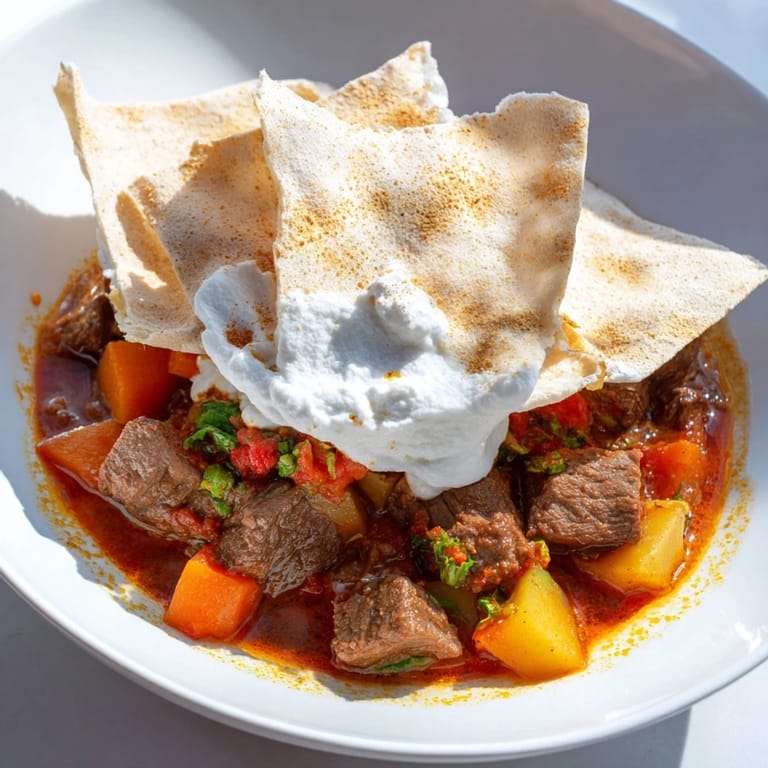
Pin I still remember the sharp, earthy smell of fenugreek foam hitting the steam of the stew for the first time, watching my neighbor layer it over the bubbling pot with total confidence. She made it look effortless, tearing bread with her hands and letting the broth soak through before spooning that pale green cloud on top. I had no idea what I was tasting, only that it was warm, complex, and completely unlike anything I'd grown up with. That bowl of Saltah became the reason I started keeping fenugreek seeds in my pantry. Now, every time I whisk that foam into existence, I think of her kitchen and the way she smiled when I asked for a second serving.
I made this for a group of friends during a cold stretch in early March, and the kitchen filled with the smell of turmeric and simmering meat long before anyone arrived. By the time they walked in, the pot had been going for over an hour, and the anticipation was half the meal. We tore the bread together, laughed over how much foam I'd managed to whip up, and ate straight from our bowls with spoons and fingers. Someone said it tasted like a hug, and I haven't found a better description since.
Ingredients
- Beef or lamb: Choose cuts with a bit of marbling like chuck or shoulder, they break down beautifully during the long simmer and give the broth body.
- Ground fenugreek seeds: The star of the hulbah, it needs to be soaked and whipped into foam, which sounds strange until you taste the tangy, slightly bitter magic it brings.
- Vegetable oil: Any neutral oil works, but I like using one with a high smoke point so the onions can caramelize without burning.
- Onion and garlic: Sauté them until golden and fragrant, this builds the aromatic foundation the whole stew rests on.
- Tomatoes: Fresh tomatoes add acidity and sweetness, breaking down into the broth and thickening it naturally as they cook.
- Green chili: Optional but recommended, it adds a quiet heat that deepens the flavor without making the dish fiery.
- Potato and carrot: They soften into the stew, soaking up spices and adding gentle sweetness and texture.
- Cumin, coriander, black pepper, turmeric, ground fenugreek, salt: This spice blend is warm and earthy, with turmeric giving the broth its golden hue and fenugreek tying everything to the topping.
- Water or beef broth: Broth intensifies the meatiness, but water works beautifully if you let the spices and meat do the talking.
- Cilantro and lemon juice: Folded into the hulbah, they brighten the foam and cut through the richness of the stew.
- Yemeni flatbread: Malawah or lahoh is traditional, but pita or naan will soak up the broth just as well if thats what you have.
Tired of Takeout? 🥡
Get 10 meals you can make faster than delivery arrives. Seriously.
One email. No spam. Unsubscribe anytime.
Instructions
- Prepare the Meat Stew:
- Heat oil in a large pot over medium heat, add the onions, and let them cook until theyre golden and starting to stick to the bottom. Toss in the garlic, chili, and meat cubes, browning the meat on all sides before stirring in the tomatoes, potato, carrot, and all the ground spices, then pour in the water or broth, bring it to a boil, reduce the heat to low, cover, and let it simmer for 1 to 1.5 hours until the meat pulls apart easily and the vegetables are soft.
- Prepare the Fenugreek Topping:
- Soak the ground fenugreek seeds in cold water for an hour, then drain and whisk or beat the soaked seeds vigorously until a light, fluffy foam forms. Fold in the diced tomato, cilantro, chili, lemon juice, and a pinch of salt, then set it aside until youre ready to serve.
- Assemble the Saltah:
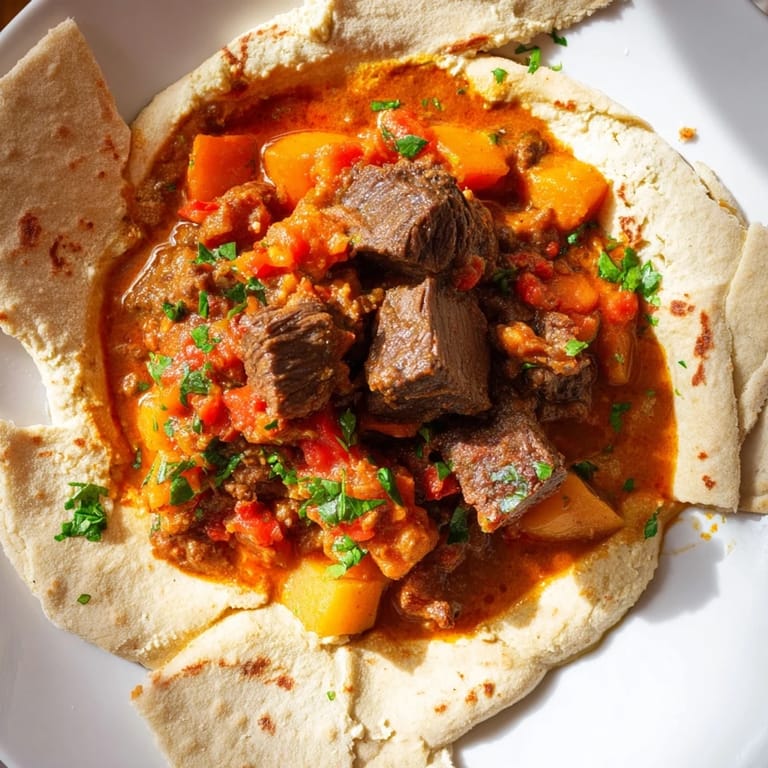
- Tear the flatbread into bite sized pieces and spread them across the bottom of each serving bowl, then ladle the hot stew over the bread so it soaks through without drowning. Spoon a generous layer of hulbah on top of each bowl, letting it sit like a cloud over the stew.
- Serve:
- Serve immediately while everything is steaming hot, and encourage everyone to mix the layers together before eating. The bread, broth, meat, and foam become one dish once they're stirred.
 Pin
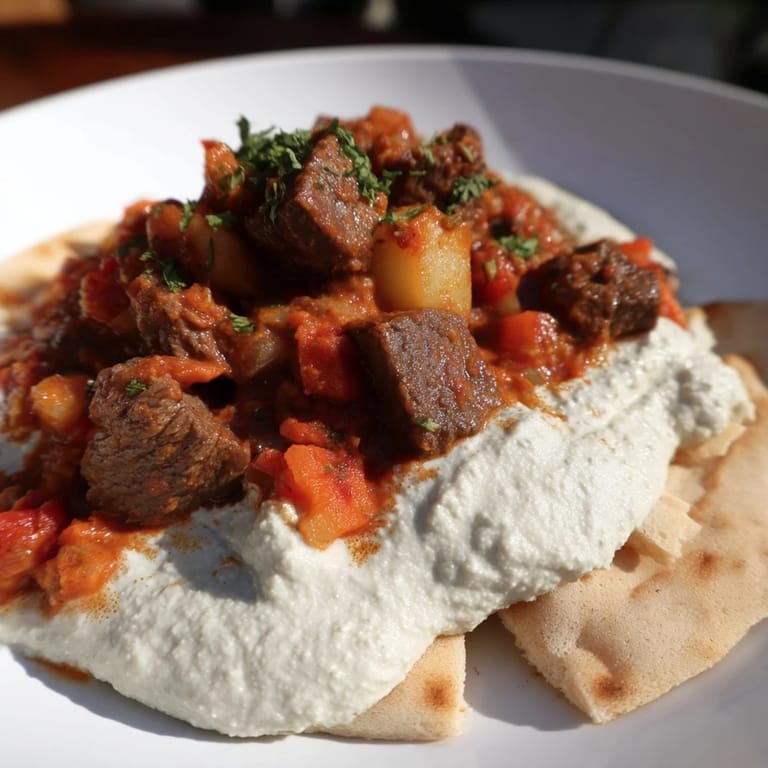
Pin The first time I got the hulbah right, I stood in the kitchen whisking for what felt like forever, convinced I was doing something wrong, until suddenly the texture shifted and this pale, airy foam appeared in the bowl. I actually laughed out loud. It felt like a small victory, the kind that makes you want to immediately invite someone over just to show them what you made.
Choosing Your Meat
Beef chuck and lamb shoulder are my go to cuts because they have enough fat to stay tender through the long simmer without drying out. I once tried using lean stew meat and regretted it halfway through, the broth was thin and the meat was chewy. Go for marbling, and dont trim away all the fat, it melts into the stew and makes everything richer. If youre using lamb, expect a slightly gamier, more aromatic broth that pairs beautifully with the fenugreek.
Making the Hulbah
The hulbah is what makes Saltah unforgettable, and its also the trickiest part if youve never made it before. Soak the ground fenugreek seeds in cold water for at least an hour, then drain them well and start whisking, it takes a few minutes of steady, vigorous motion before the foam begins to form. Once it does, it grows quickly into a light, almost mousse like texture. Fold in the fresh tomato, cilantro, lemon juice, and chili gently so you dont deflate it, and taste it before you add it to the stew, it should be tangy, slightly bitter, and bright.
Serving and Storing
Saltah is best served immediately, while the stew is hot and the hulbah is freshly whipped, but if you have leftovers, store the stew and the hulbah separately in the fridge. The stew will keep for up to three days and actually tastes even better the next day once the flavors have melded. The hulbah loses its fluffiness after a few hours, so I recommend making it fresh each time you serve. Reheat the stew gently on the stove, tear fresh bread, and whip up a new batch of foam, it only takes ten minutes and makes all the difference.
- Store stew and hulbah separately to preserve texture.
- Reheat stew gently and add fresh bread just before serving.
- Make hulbah fresh each time for the best flavor and lift.
 Pin
Pin Every time I make Saltah now, I feel a little more connected to the tradition behind it, the patience, the layering, the way it asks you to slow down and build something with care. Its the kind of dish that rewards you for showing up and staying present, and it never fails to bring people together around the table.
Recipe Q&A
- → What type of meat works best for this stew?
Beef or lamb cut into cubes is ideal as they become tender and absorb the spices well during simmering.
- → How is the fenugreek foam prepared?
Ground fenugreek seeds are soaked in water, then whisked vigorously until fluffy, and mixed with tomato, cilantro, chili, lemon juice, and salt.
- → Can I substitute the flatbread if Yemeni types aren't available?
Yes, pita or naan can be used as alternatives to traditional malawah or lahoh flatbreads.
- → What spices give the stew its distinctive flavor?
A blend of cumin, coriander, black pepper, turmeric, and fenugreek provide the warm, aromatic profile.
- → Is this dish suitable for vegetarian diets?
Omitting meat and using additional root vegetables or beans can adapt this stew for vegetarian preferences.