 Pin
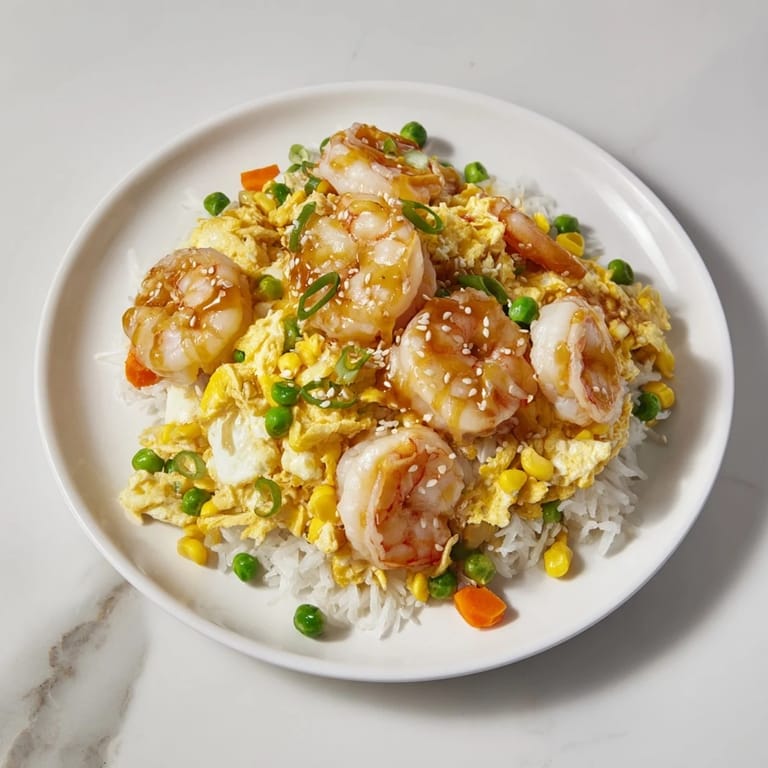
Pin There's something magical about the sizzle of shrimp hitting hot oil when you're in a rush, and that's exactly what drew me to this recipe. A friend texted me a viral TikTok of someone making fried rice in under fifteen minutes, and I was skeptical—until I tried it myself on a Thursday night when I had nothing thawed but frozen shrimp and yesterday's rice. Twenty minutes later, I was genuinely amazed at how restaurant-quality the results were without any fussing.
I made this for my partner during that chaotic week when we were both working late, and watching his face light up when he tasted it was the moment I realized this wasn't just a quick dinner—it was a keeper. He asked me to make it again the very next night, which never happens with my cooking.
Ingredients
- Medium shrimp, peeled and deveined (200 g / 7 oz): Shrimp cooks impossibly fast and brings that restaurant-quality protein element; if it's frozen, just thaw it under cold water while you prep everything else.
- Large eggs (2): These create pockets of custardy texture throughout the rice and don't need to be fancy—just whisk them lightly before they hit the pan.
- Frozen mixed vegetables (100 g / 1 cup): Frozen vegetables are genuinely better for fried rice than fresh because they're drier and won't make the rice soggy; plus they thaw in seconds.
- Scallions (2), sliced: Half goes into the cooking pan for flavor, half stays fresh as garnish so you get that brightness in every bite.
- Cooked jasmine rice, chilled (300 g / 2 cups), preferably day-old: This is the hack that changes everything—cold rice grains stay separate instead of turning mushy, which is why leftover rice is your secret weapon.
- Soy sauce (2 tbsp): The backbone of the whole thing; don't skip this or you'll have an underseasoned rice situation.
- Oyster sauce (1 tbsp, optional but recommended): If you have it, it adds an umami depth that makes people ask what your secret is.
- Sesame oil (1 tsp): A little goes a long way here—it's potent and floral, so measuring matters.
- Ground white pepper (1/2 tsp): White pepper has a different heat than black and gives fried rice its characteristic warmth.
- Vegetable oil (1 tbsp): Use something neutral with a high smoke point so your pan can get properly hot without the oil breaking down.
- Extra sliced scallions and toasted sesame seeds for garnish (optional): These aren't optional if you want it to look like it came from somewhere fancy.
Tired of Takeout? 🥡
Get 10 meals you can make faster than delivery arrives. Seriously.
One email. No spam. Unsubscribe anytime.
Instructions
- Get your pan screaming hot:
- Heat the vegetable oil in a large nonstick skillet or wok over medium-high heat until it shimmers and moves easily across the surface. This is non-negotiable—the whole magic of fried rice happens in a hot pan.
- Cook the shrimp until barely pink:
- Add the shrimp and listen for that immediate aggressive sizzle; cook for 2-3 minutes until they curl and turn pink, then remove them to a plate. Overcooking shrimp turns it rubbery, so you're aiming for that moment when they just stop being translucent.
- Scramble the eggs quickly:
- Pour in the beaten eggs and push them around constantly with your spatula until they're just set with barely any liquid remaining. You're looking for that moment where they're still a touch tender, not overcooked and tough.
- Warm the vegetables without cooking them to death:
- Push the eggs to one side of the pan and add the frozen vegetables to the hot space, stirring for exactly 1 minute—they thaw in seconds and release a little steam. The goal is heated through, not further cooked.
- Add and break up the rice:
- Dump in the cold rice and use your spatula to break up any clumps you see, working it through the hot pan for 2 minutes until everything is heated and combined. You'll feel the rice grains separate under your spatula, which is how you know it's working.
- Bring the shrimp back to the party:
- Return the cooked shrimp to the pan and add the soy sauce, oyster sauce if you're using it, sesame oil, and white pepper. Stir everything together so every grain of rice picks up those savory flavors.
- Finish with fresh scallions:
- Toss in the sliced scallions and stir-fry for 1 more minute just to warm them slightly. The raw ones on top at the end add a brightness that makes the whole thing sing.
- Taste and adjust:
- Take a bite before plating and add more soy sauce, sesame oil, or white pepper if it needs it. Your tastes matter more than the recipe does.
 Pin
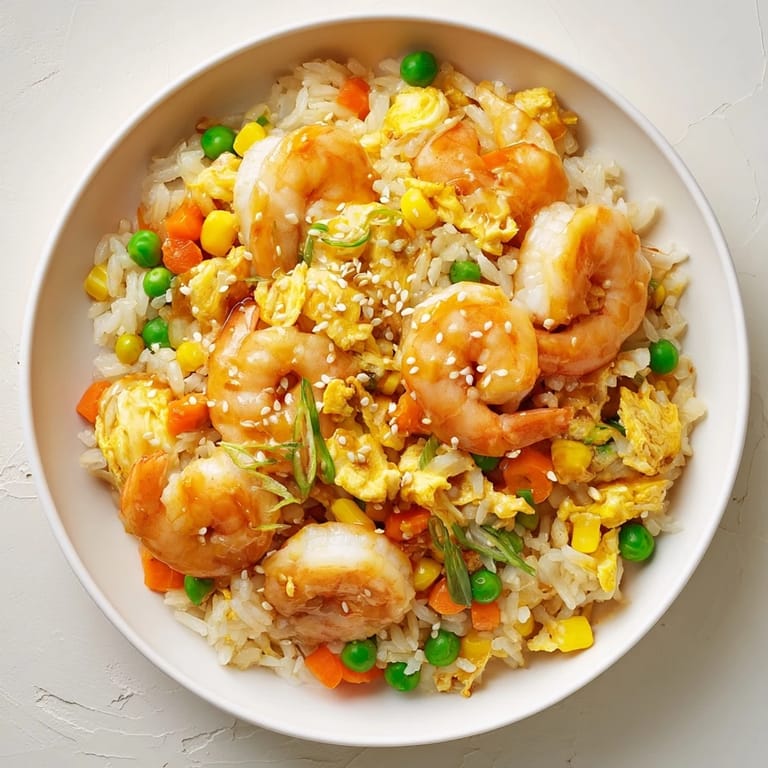
Pin What struck me most about this recipe is how it became the thing I make when I want to feel capable and fast in the kitchen, especially on nights when everything else feels chaotic. There's real confidence in knowing you can have restaurant-quality food on the table before your roommate even asks what's for dinner.
The Cold Rice Secret That Changes Everything
I spent years making fried rice the way I thought you were supposed to—using fresh rice that came out sticky and clumped—until someone finally explained why cold rice works so much better. Cold grains have less moisture and don't release starch the same way, so they stay separate and actually fry instead of steam. This is the single biggest revelation that separates people who make okay fried rice from people who make the kind that tastes like it came from a proper kitchen. Start planning this recipe the day before by not finishing the rice, and you'll be amazed at the difference.
Building Flavor in Minutes Without Fussing
The speed of this recipe comes from the fact that you're not trying to build flavor from scratch—you're using the concentrated flavors of soy sauce, oyster sauce, and sesame oil to do the heavy lifting in seconds. These three things together create the savory backbone that makes people think you've been cooking for hours. The white pepper adds a warmth that lingers instead of the sharp bite of black pepper, which is a small detail that adds up to something that tastes more refined. It's not about technique at that point; it's about understanding which ingredients do the flavor work for you.
Variations and Improvisation That Work
Once I realized how flexible this recipe actually is, I started treating it like a formula instead of a strict instruction, which is when cooking became fun instead of stressful. Swap the shrimp for diced chicken, cubed tofu, or leave the protein out entirely if you're feeding vegetarians—everything still works perfectly because the rice and eggs carry the dish. Add a dash of chili sauce or sriracha if you want heat, or throw in cashews and bell peppers if you have them and want more texture. The beauty is that you can build this around what's actually in your kitchen instead of making a special trip to the store, and I've made it successfully with a hundred different combinations at this point.
- Swap proteins freely: chicken, tofu, or no protein at all all work exactly the same way.
- A tiny drizzle of chili sauce at the end turns this into something with a slow-building heat that lingers.
- If you have leftover cooked vegetables, this is the perfect home for them instead of letting them turn sad in the fridge.
 Pin
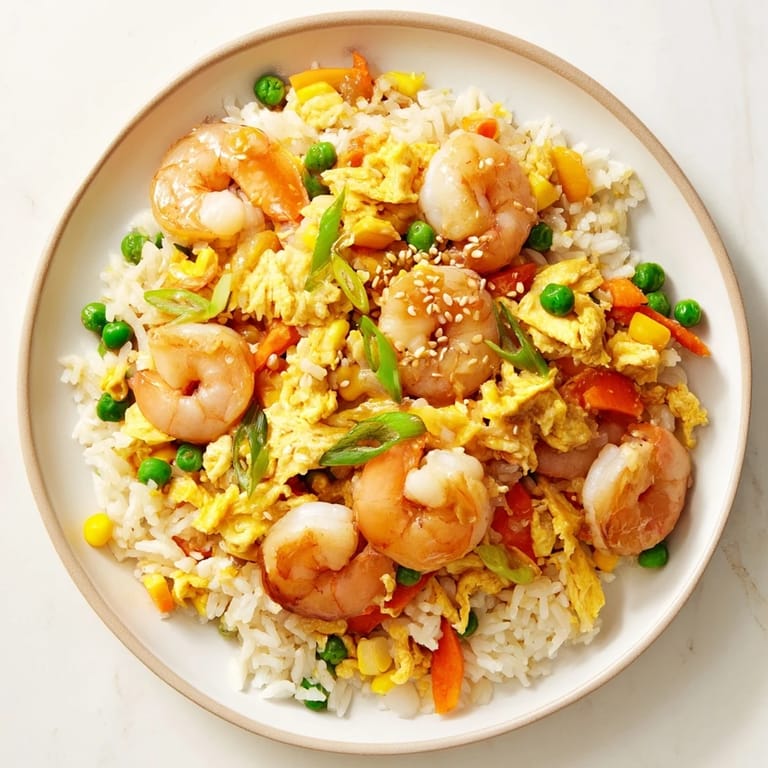
Pin This recipe taught me that sometimes the best meals are the ones that happen when you're busy and hungry rather than the ones you plan for days. Twenty minutes and a viral TikTok changed how I think about weeknight cooking forever.
Recipe Q&A
- → Can I use fresh rice instead of day-old rice?
Day-old rice works best as it’s drier and prevents clumping, but freshly cooked rice can be used if cooled properly before stir-frying.
- → What can I substitute for shrimp if needed?
Chicken, tofu, or extra vegetables are great alternatives depending on your preference and dietary needs.
- → Is oyster sauce necessary for the flavor?
Oyster sauce adds depth, but you can omit it or use a gluten-free soy sauce substitute if preferred.
- → How do I achieve a good stir-fry texture?
Cook over medium-high heat with constant stirring to combine ingredients evenly without steaming.
- → What herbs or garnishes enhance this dish?
Sliced scallions and toasted sesame seeds add freshness and a subtle crunch that complements the flavors.