 Pin
Pin The first time I watched my neighbor unwrap banana leaves from her slow-cooked lamb, the steam rose like something sacred, carrying spices I couldn't name. She'd learned this dish from her grandmother in Oman, and the way she moved—careful, reverent—told me this wasn't just dinner. Years later, I finally asked for the recipe, and she laughed, saying the real magic wasn't in following steps but in letting time and patience do the work. Now when I make Shuwa, I understand what she meant. The meat becomes so tender it barely needs a knife, and the spice-soaked juices soak into every fiber until you can't tell where the marinade ends and the meat begins.
I made this for a dinner party on a cold evening, nervous about whether my home oven could replicate something traditionally cooked underground in desert sand. My guests arrived skeptical—they'd had Shuwa only in Oman—but when I unwrapped those banana leaves and the aroma hit the room, their faces changed. One of them actually closed her eyes. That moment taught me that authenticity isn't about replicating ancient ovens; it's about respecting the ingredients and the time they deserve.
Ingredients
- Bone-in lamb shoulder or leg (2.5 kg): The bone adds incredible depth to the cooking liquid, and the connective tissue breaks down into gelatin, making the meat impossibly tender. Beef or goat work equally well if lamb isn't available.
- Garlic paste and ginger paste (4 tbsp and 2 tbsp): Paste versions cling better to the meat than minced; they won't wash off during the long cook.
- Ground coriander, cumin, cinnamon, cardamom, black pepper, and cloves (as listed): This isn't a shortcut spice blend—each one serves a purpose, building warmth and depth rather than heat.
- Paprika, turmeric, and chili powder (2 tsp, 1 tsp, 2 tsp): The paprika adds gentle color and sweetness, turmeric brings earthiness, and chili powder can be adjusted to your comfort level.
- Salt and lemon juice (2 tsp salt, juice of 2 lemons): Salt draws moisture into the meat while the acid tenderizes and brightens the heavy spices.
- White vinegar and vegetable oil (1/4 cup each): The oil carries the spice flavor deep into the meat, while vinegar acts as a tenderizer and preservative.
- Banana leaves (4–6 large): They seal in steam and impart a subtle, authentic flavor—parchment or foil won't taste quite the same, but they'll work in a pinch.
Tired of Takeout? 🥡
Get 10 meals you can make faster than delivery arrives. Seriously.
One email. No spam. Unsubscribe anytime.
Instructions
- Mix your spice marinade:
- Combine every spice, the garlic and ginger pastes, salt, vinegar, oil, and lemon juice in a large bowl. Stir until it forms a thick paste that coats the back of a spoon. Smell it—you should feel almost dizzy from the aromatics; that's how you know you've got the balance right.
- Score and coat the meat:
- Using a very sharp knife, cut deep slashes into the lamb, spacing them about 2 inches apart on all sides. This isn't just for show—these cuts let the marinade penetrate all the way to the bone. Rub the paste into every cut and over the entire surface, getting your hands messy and making sure nothing is left unmarinated.
- Let time do its work:
- Cover and refrigerate for at least 8 hours, though 24 hours is better if you can manage it. I usually start this the night before and forget about it, which is exactly the point.
- Prepare your oven and leaves:
- Heat your oven to 160°C (320°F). If using fresh banana leaves, wipe them gently with a damp cloth and pat dry—they'll be more pliable and less likely to tear.
- Wrap with care:
- Lay 2–3 banana leaves flat, overlapping them slightly to form a rectangle. Place the marinated meat in the center and wrap it completely, tucking the ends under so steam can't escape. Use kitchen twine to secure everything, or wrap the whole package in foil for extra insurance.
- Roast low and slow:
- Place the wrapped meat in a deep roasting pan, cover with a lid or more foil, and slide it into the oven. Set a timer for 4 hours, then check—the meat should be so tender a fork slides through it like butter. If it still has resistance, give it another 30 minutes to an hour.
- Unveil and serve:
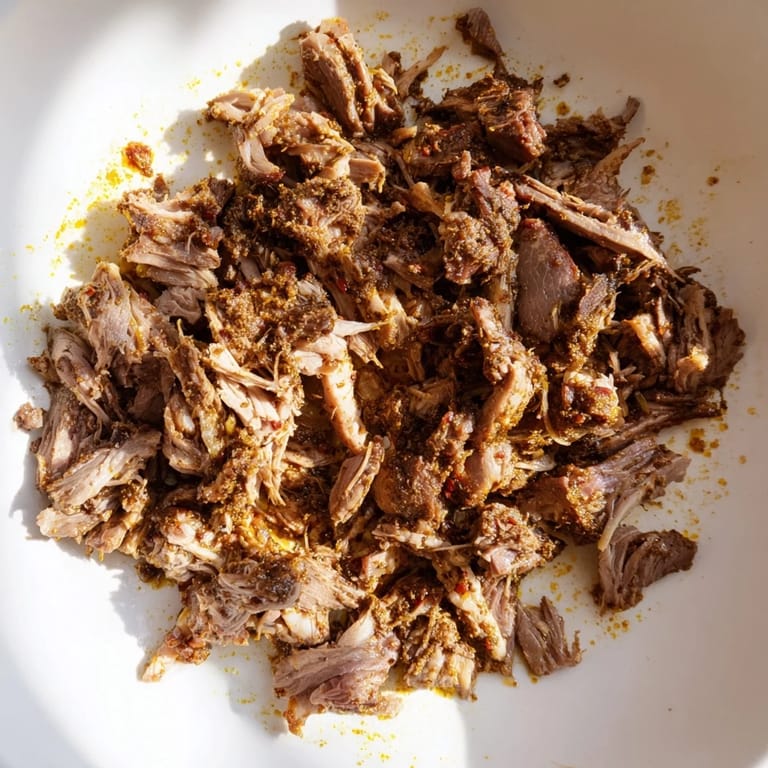
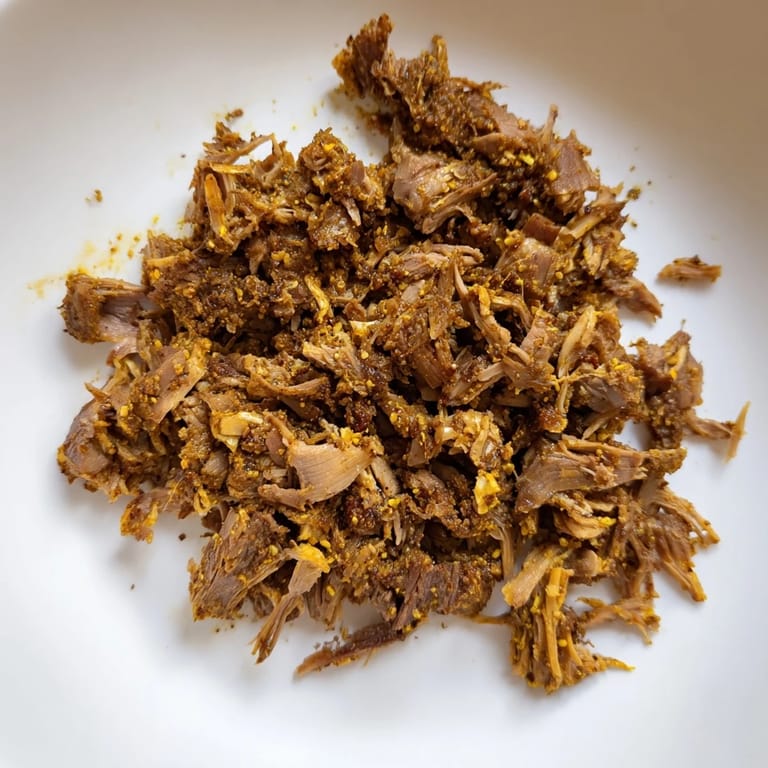
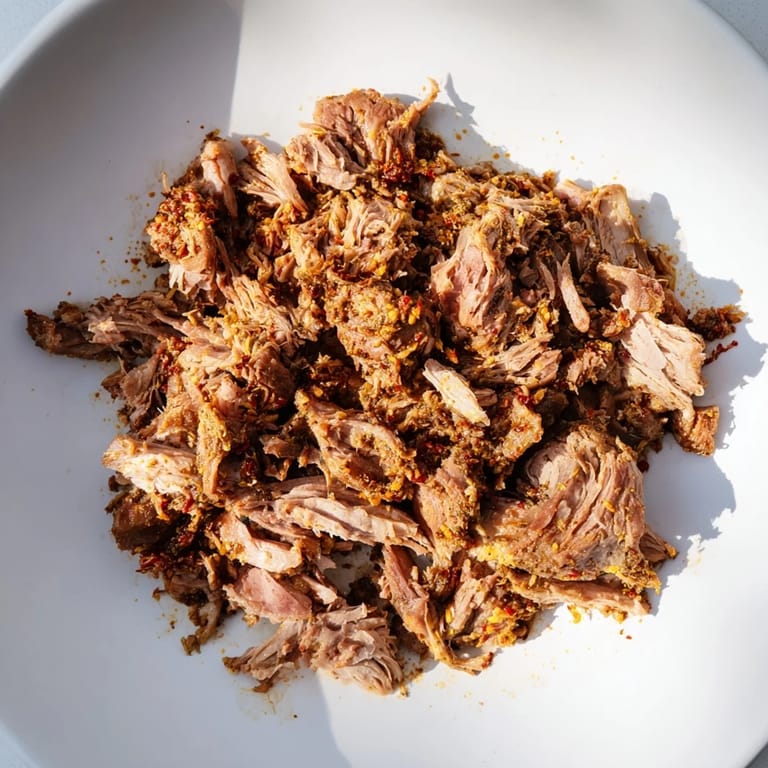
- Carefully unwrap the meat away from your face—the steam is hot and aromatic. If it's in large pieces, let it cool for 5 minutes, then shred it with two forks, or carve if you prefer neater slices. Serve with the pan juices spooned over top.
 Pin
Pin I remember my neighbor telling me that her family's Shuwa wasn't just about feeding people—it was about showing them they belonged. The time involved, the care in the spices, the patience while it cooked—it was all a conversation without words. That's when I realized why this dish mattered so much to her, and why she'd finally shared the recipe with me.
Why Banana Leaves Matter
The banana leaves do more than just wrap the meat—they seal in steam so completely that nothing dry ever touches the meat's surface. They also impart a subtle, almost floral note that foil simply can't replicate. If you can find them fresh at an Asian or Middle Eastern grocery store, or even frozen, they're absolutely worth the hunt. Some specialty stores carry them year-round, and they last weeks in the freezer.
Building Flavor with Spices
The spice blend in Shuwa isn't random—it's built in layers. The warming spices like cinnamon, cardamom, and cloves sit at the foundation, creating a background warmth. Coriander and cumin add earthy, slightly citrusy notes that keep the dish from feeling one-dimensional. Paprika and turmeric bring color and gentle sweetness, while the chili powder adds just enough edge to make you think about it. The first time I made this, I tried to simplify the list, and the result was flat and one-note. Now I measure every single spice and never question the list again.
Serving and Storage
Shuwa tastes best served warm on the day you make it, but it keeps beautifully in the refrigerator for three to four days. Reheat it gently in a covered pot with a splash of water to restore moisture. I've also frozen the cooked, shredded meat successfully for up to a month—just thaw it in the fridge overnight and warm it through before serving.
- Serve with fluffy rice or warm flatbread to soak up every drop of those spiced pan juices.
- A cool yogurt sauce or fresh salad alongside cuts through the richness perfectly and balances the heat.
- This dish feeds about six people generously, but it scales up easily if you're cooking for a crowd.
 Pin
Pin Making Shuwa connects you to something older than recipes—a way of cooking that says patience and respect for ingredients matter. Once you've made it once, you'll understand why my neighbor guarded this recipe so carefully, and why she finally trusted me with it.
Recipe Q&A
- → What type of meat works best for Omani Shuwa?
Bone-in lamb shoulder or leg is ideal due to its fat content and tenderness after slow cooking. Alternatives like beef or goat can be used but may alter flavor slightly.
- → Why are banana leaves used for wrapping?
Banana leaves help retain moisture during slow cooking and impart a subtle, earthy aroma that enhances the meat’s flavor.
- → Can the cooking method be adapted for a conventional oven?
Yes, while traditional Shuwa is cooked underground, oven roasting at low heat for several hours is a great home-friendly alternative.
- → How long should the meat marinate?
Marinating for 8 to 24 hours enables the spices to deeply penetrate the meat, intensifying flavor and tenderness.
- → What spices are essential in the marinade?
Key spices include garlic, ginger, coriander, cumin, cinnamon, cardamom, black pepper, cloves, paprika, turmeric, and chili powder, balanced for warm aromatic notes.
- → Is there a way to add smokiness to the dish?
For a smoky touch, briefly grill the meat after cooking and unwrapping, which enhances its depth without overpowering the spices.