 Pin
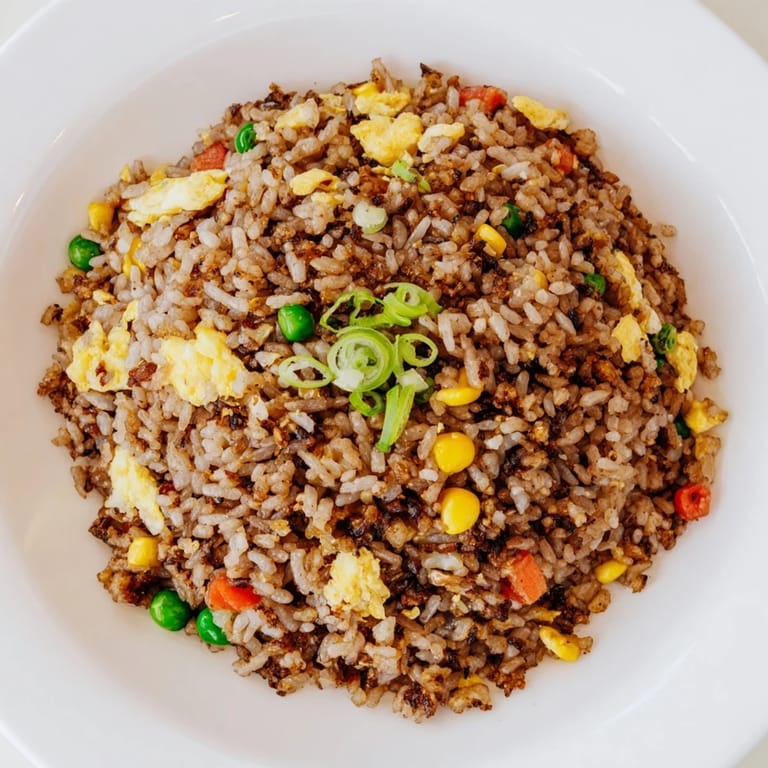
Pin The first time black garlic crossed my kitchen counter, I almost didn't recognize it. Those deep, wrinkled cloves sat in my palm like tiny gems, and when I pressed one between my fingers, it released this intoxicating sweetness—nothing like regular garlic's sharp bite. I was skeptical at first, honestly, but one evening when I needed something quick and wanted to elevate my usual rice, I chopped a few of those dark cloves into a wok and everything changed. That single ingredient turned a simple weeknight dinner into something that tasted like a restaurant secret.
I served this to my neighbor on a Wednesday night when she'd mentioned being tired of her usual rotation, and watching her pause mid-bite to ask what I'd done differently told me everything. She came back three days later asking for the recipe, which was when I realized this wasn't just comfort food—it was the kind of dish that makes people sit up and pay attention. The umami depth comes from that combination of black garlic, soy, oyster sauce, and sesame oil working together like a kitchen conversation you didn't know you needed.
Ingredients
- Cooked jasmine rice, day-old and cold: Room temperature or chilled rice is non-negotiable here; fresh warm rice releases too much moisture and turns mushy instead of maintaining those distinct grains.
- Black garlic: The star of this show—those dark, sweet cloves add depth without any harsh bite, but peel them gently since they're delicate.
- Regular garlic and aromatics: The combination of black and regular garlic builds complexity; keep the white and green scallion parts separate so the green parts hit at the end for brightness.
- Mixed vegetables: Peas, carrots, and corn are traditional, but this is where you use whatever's in your crisper drawer.
- Light soy sauce and oyster sauce: These are your salt and savory backbone; taste as you go because brands vary in intensity.
- Toasted sesame oil: A drizzle at the end makes the difference between good and unforgettable—don't skip it or substitute it.
- Eggs: Optional but worth including; they add richness and catch the heat beautifully when scrambled through.
Tired of Takeout? 🥡
Get 10 meals you can make faster than delivery arrives. Seriously.
One email. No spam. Unsubscribe anytime.
Instructions
- Scramble the eggs first (if using):
- Heat a tablespoon of oil until it shimmers, then pour in beaten eggs and let them sit for just a moment before gently stirring until they're set but still soft. This takes less than a minute, and you want them slightly underdone because they'll finish cooking when you mix them back in later.
- Build your aromatic base:
- Add the remaining oil, then onion and the white scallion parts, letting them soften for about a minute until the kitchen smells alive. This is the foundation—don't rush it.
- Introduce the garlic magic:
- Stir in both regular and black garlic, and here's the trick: gently press the black garlic cloves against the pan to coax out their sweet, molasses-like flavor. You'll smell it immediately, and it's intoxicating.
- Cook the vegetables:
- Add your mixed vegetables and let them warm through for a couple of minutes—you want them heated but still with a slight firmness, not softened into oblivion.
- Introduce the rice:
- Add your cold rice and break up any clumps with the back of your spatula, stirring constantly for two to three minutes until everything is heated through and the grains separate cleanly from each other.
- Season and coat:
- Drizzle in soy sauce, oyster sauce if you're using it, sugar, and black pepper, stirring constantly so every grain gets kissed with that savory coating. The sugar balances the saltiness in a way that feels almost invisible but crucial.
- Bring it all together:
- Return the scrambled eggs to the pan and fold them in gently, then finish with a generous drizzle of sesame oil and a final toss. The heat releases the sesame oil's fragrance right at the end, which is the moment everything feels right.
- Finish and serve:
- Scatter the green scallion tops over the top as you plate it, and serve immediately while everything is still hot and the aromatics are dancing.
 Pin
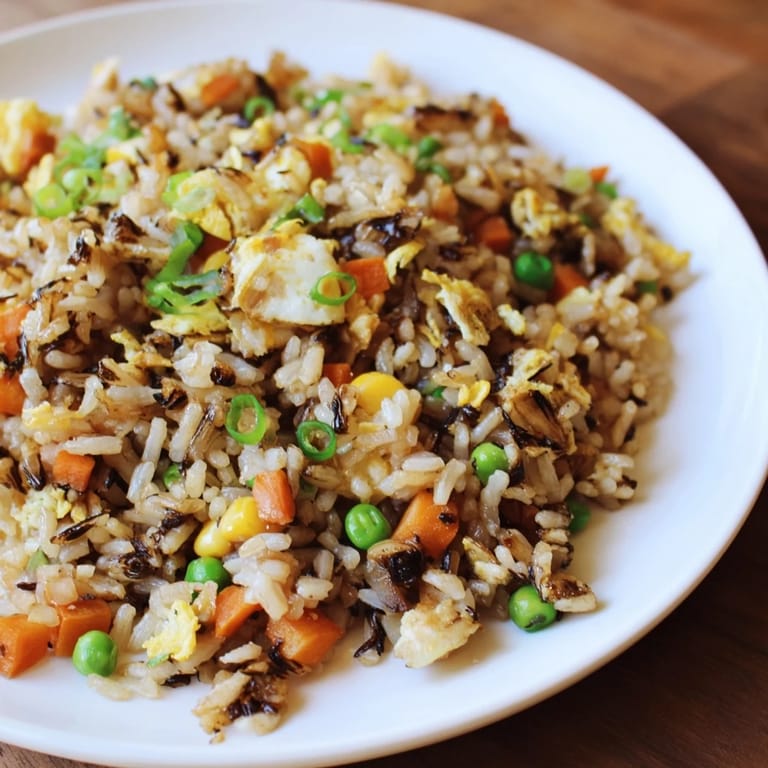
Pin There's a moment right when you drizzle that sesame oil over the hot rice—the smell that rises up is warm and toasted and makes you understand why this dish has been loved across so many cultures for so long. It's one of those meals that feels both simple and somehow celebratory at the same time.
The Black Garlic Difference
Black garlic is regular garlic that's been aged through a specific fermentation process, which transforms it entirely. The result is something almost caramel-like, sweet in a sophisticated way, with none of the sulfur bite of raw garlic. When you cook with it, you're not fighting against harsh flavors—you're amplifying something mellow and deep. It took me a few tries to understand how to use it, but once I realized it needed gentler treatment than regular garlic, everything clicked. Now I keep a container in my pantry because it elevates so many dishes without requiring you to change anything else about how you cook.
Customizing Your Bowl
This recipe is a framework, not a rule book. The vegetables can shift completely based on season or what needs to be used—bell peppers, broccoli, snap peas, fresh corn in summer, roasted mushrooms in fall. If you want protein beyond eggs, diced tofu crisped in a separate pan, shrimp, chicken, or even leftover roasted vegetables all work beautifully. The soy and oyster sauce combination is what gives the dish its identity, but even those can be adjusted if you're cooking for someone who needs gluten-free or vegan versions. I've made this dish dozens of times now and it's never the same twice, which is exactly why it works—it adapts to whatever your kitchen and your hunger are asking for.
Timing and Temperature
The heat of your wok or skillet matters more than you might think. You want it hot enough that things move quickly and ingredients sear slightly rather than steam, but not so violent that everything chars before it cooks through. Medium-high heat is the sweet spot for most home stoves—high enough that you hear a gentle sizzle, but low enough that you have time to work without panic. I learned this the hard way after burning garlic more times than I care to admit, and the lesson stuck: listen to your pan, not just watch it. Once the rice goes in, keep the heat consistent and keep things moving; this dish comes together fastest when you don't overthink it.
- If your wok isn't screaming hot when the oil hits, give it another thirty seconds before adding aromatics.
- Cold rice needs about two minutes of constant stirring to heat completely through and separate.
- The entire cooking process from eggs to plating should take closer to ten minutes, not thirty.
 Pin
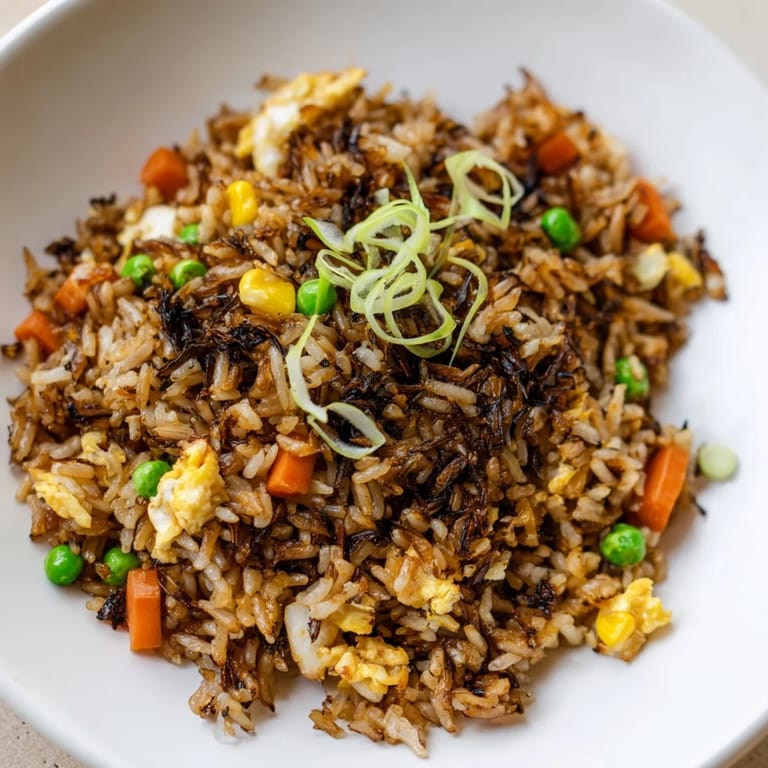
Pin This is the kind of dish that reminds you why cooking at home matters—it's faster than delivery, tastes better than anything you'd order, and somehow feels more generous because you made it yourself. Once you've made it once, you'll understand the rhythm well enough to do it without thinking, which is when the magic really happens.
Recipe Q&A
- → Can I use fresh garlic instead of black garlic?
While fresh garlic provides a sharper flavor, black garlic adds a distinctive sweet and mellow umami that characterizes this dish.
- → Why use day-old rice for frying?
Day-old rice is drier and less sticky, which helps achieve the ideal fried rice texture by preventing clumping.
- → What alternatives exist for oyster sauce?
Vegetarian oyster sauce or mushroom-based sauces provide similar umami depth without animal ingredients.
- → Can I omit eggs in this dish?
Yes, omitting eggs keeps the dish vegetarian and still flavorful thanks to soy sauce and black garlic.
- → What oils work best for frying rice?
Neutral oils like canola or sunflower heat evenly without overpowering flavors, allowing the aromatics to shine.