 Pin
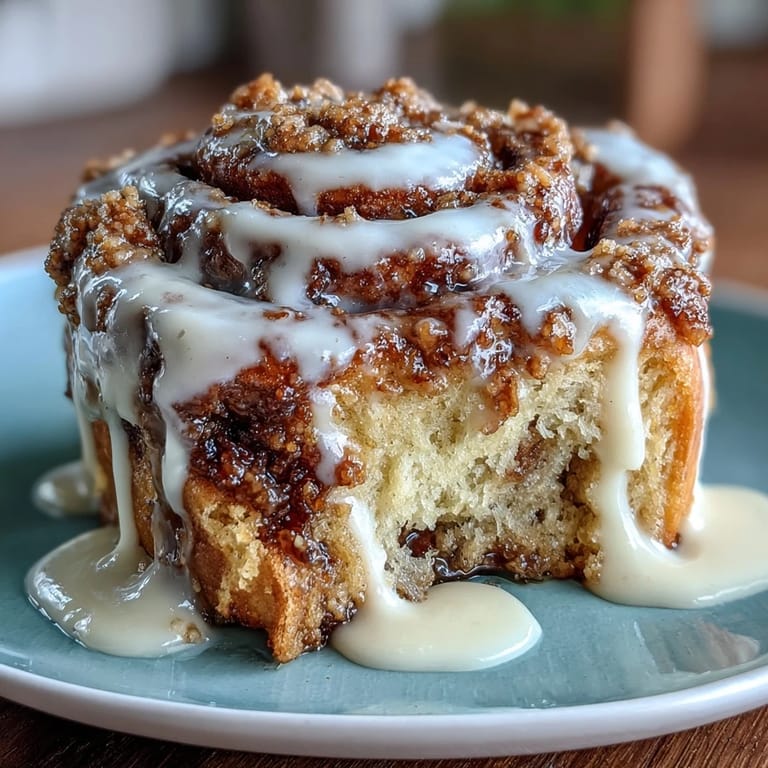
Pin My sister called me at 6 AM on a Saturday morning asking if I could bring something to her garden party, and my brain immediately went to cinnamon rolls, but then I thought, why not sneak banana bread into them? That combination shouldn't work on paper, but when those first rolls came out of the oven, the smell of caramelized banana and cinnamon filling the kitchen made it clear I'd stumbled onto something special. The gooey center, the soft dough—it felt like discovering a flavor that had always been waiting to exist.
When I brought those rolls to my sister's party, I watched someone take a second one before they'd even finished the first, and I knew I'd nailed it. Her friends kept asking what made them different, and honestly, the banana was my secret weapon—it adds this subtle sweetness that makes you keep coming back for more without knowing exactly why.
Ingredients
- Mashed ripe bananas (1 cup from 2 large bananas): Use bananas that are deeply speckled with brown—they're sweeter and won't make your dough watery.
- All-purpose flour (2 3/4 cups): This is your foundation, so measure by spooning and leveling rather than scooping straight from the bag.
- Granulated sugar (1/4 cup): This feeds the yeast and gives the dough a subtle sweetness that won't overpower the banana.
- Active dry yeast (2 1/4 tsp): Temperature matters here—if your milk isn't warm enough, the yeast won't activate properly.
- Unsalted butter, melted (1/4 cup): The melted butter makes the dough tender and rich without the salt interfering with yeast activation.
- Warm milk (1/2 cup at 110°F): Too hot kills the yeast, too cold and nothing happens—use a thermometer if you're uncertain.
- Salt (1/2 tsp): This balances the sweetness and strengthens the gluten structure, but add it after the yeast blooms to protect those live cells.
- Large egg (1): This binds everything together and gives the rolls that tender crumb.
- Softened butter for filling (2 tbsp): Let it sit on the counter until it's spreadable but not melted, otherwise it'll soak into the dough instead of creating that delicious filling.
- Packed brown sugar (1/2 cup): Pack it firmly when measuring so you get consistent sweetness throughout the rolls.
- Ground cinnamon (2 tsp): Don't skimp here—this is what makes people close their eyes when they bite in.
- Powdered sugar (1 cup) and milk (2-3 tbsp): The icing should drip slowly off a spoon, so add milk gradually until you hit that sweet spot.
Tired of Takeout? 🥡
Get 10 meals you can make faster than delivery arrives. Seriously.
One email. No spam. Unsubscribe anytime.
Instructions
- Wake up the yeast:
- Whisk together your warm milk, yeast, and a pinch of sugar in a large bowl, then let it sit for about 5 minutes—you'll know it's working when the surface gets foamy and smells a little like bread. This is the foundation of everything, so don't skip this step or rush it.
- Build the dough:
- Add your mashed bananas, melted butter, egg, sugar, and salt to that foamy mixture and stir until everything looks combined and slightly sticky. The dough should feel alive in the bowl, not dry or stiff.
- Add the flour gradually:
- Mix in the flour a little at a time until a soft, slightly sticky dough comes together—this usually takes 2-3 minutes of stirring. You're looking for shaggy dough that's ready to be kneaded, not a smooth ball yet.
- Knead until smooth:
- Turn the dough out onto a lightly floured surface and knead for about 5 minutes, using the heel of your hand to push it away from you, fold it back, and rotate it. When you're done, it should feel smooth, elastic, and only slightly tacky—not sticky enough to cling to your hands.
- Let it rise:
- Place the dough in a greased bowl, cover it with a damp towel or plastic wrap, and leave it in a warm spot (like near a sunny window or on top of your refrigerator) for about an hour until it's doubled. You'll know it's ready when you poke it gently and the dent slowly fills back in.
- Shape the rolls:
- Punch down the dough to release the air, then roll it out on a floured surface into a rectangle about 14 by 9 inches—it should be roughly 1/4 inch thick. Spread the softened butter evenly over the dough, leaving a tiny border, then sprinkle the brown sugar and cinnamon all over.
- Roll and slice:
- Starting from the longer side, roll the dough up tightly into a log like you're making cinnamon rolls, then use a sharp knife to slice it into 9 equal pieces. If your knife sticks, wet it or wipe it between cuts—clean slices keep the rolls looking pretty.
- Final rise:
- Arrange the rolls in a greased 9-inch square or round baking dish, cover loosely, and let them rise for about 20 minutes while you preheat the oven to 350°F. They should puff up and start touching each other slightly, but they don't need to double again.
- Bake until golden:
- Bake for 25 minutes until the rolls are golden brown on top and feel set when you gently press them—you want them cooked through but still soft inside. The edges will be a deeper brown than the tops, which is exactly right.
- Finish with icing:
- While the rolls cool for just a minute or two, whisk together powdered sugar and milk until you have a smooth drizzle consistency. Generously drizzle it over the warm rolls so it melts slightly into all those crevices.
 Pin
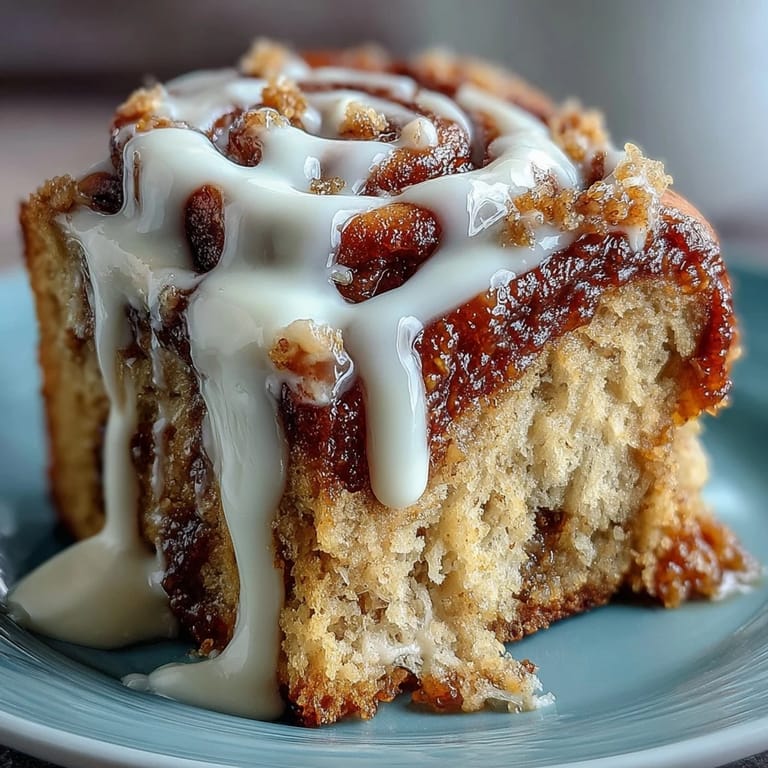
Pin There's something almost meditative about watching someone's face light up when they bite into a warm cinnamon roll and realize there's this unexpected banana flavor making everything taste like home and adventure at the same time. Those rolls became the thing people ask me to bring now, which is the highest compliment a baker can get.
The Banana and Yeast Love Story
When I first combined banana and yeast dough, I wasn't sure if the fruit would interfere with the rising process, but it actually works beautifully—the natural sugars feed the yeast and the moisture keeps the dough from drying out during that long rise. The banana is quiet enough that it doesn't shout over the cinnamon, but loud enough that you always know it's there, creating this perfect balance that tastes more complex than it has any right to be.
Getting the Texture Just Right
The secret to rolls that are fluffy inside but hold together properly lies in not over-kneading the dough and respecting both rise times—the initial long rise develops flavor and texture, while that quick second rise after shaping keeps the rolls tender and pillowy. If you rush either one, you'll end up with rolls that either taste bland or have a dense crumb, so patience really does pay off here in the most delicious way.
Custom Touches and Variations
Once you master the basic roll, you can start playing around with the filling in ways that feel natural to you. I've added toasted walnuts, a tiny drizzle of honey mixed into the cinnamon sugar, and even a cream cheese icing instead of the simple powdered sugar version, and every variation tastes like a completely intentional choice rather than an accident.
- For extra richness, use half cream cheese and half milk in your icing—it creates this tangy sweetness that's absolutely irresistible.
- Chopped pecans or walnuts in the filling add a subtle crunch that balances the soft dough perfectly.
- If you want to make these the night before, assemble them through the second rise, cover tightly, and refrigerate—bake straight from cold, adding just 5 extra minutes to the baking time.
 Pin
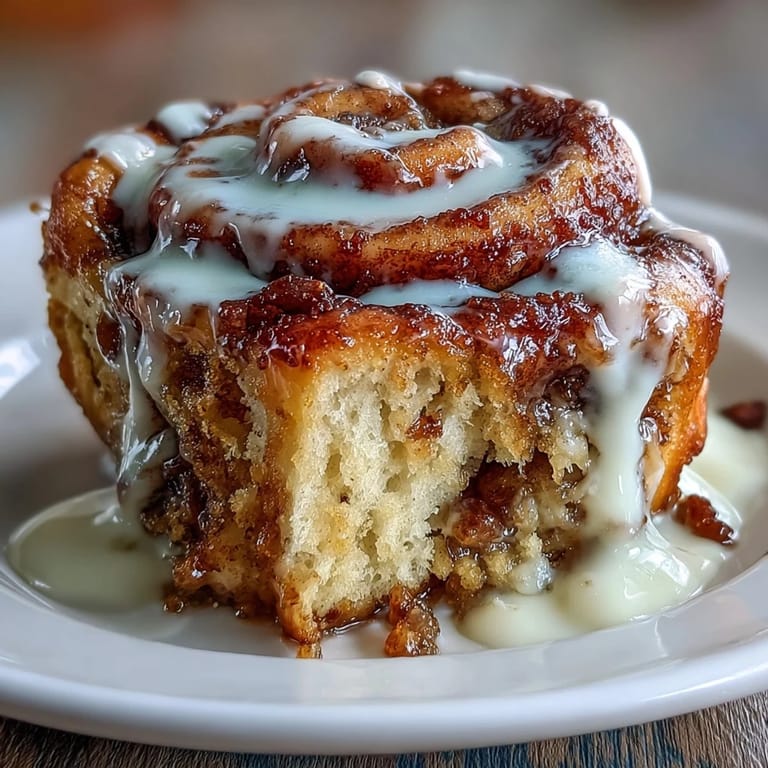
Pin These rolls have become the thing I make when I want to turn an ordinary morning into something people remember, and they never disappoint. Once you make them once, you'll understand why they're worth the time.
Recipe Q&A
- → Can I use overripe bananas for the dough?
Yes, overripe bananas work best as they provide more natural sweetness and moisture, enhancing the dough's flavor and texture.
- → How do I know when the dough has risen enough?
The dough should double in size and feel light and puffy when gently pressed, which usually takes about one hour in a warm spot.
- → Can I substitute whole milk with plant-based milk?
Yes, plant-based milks like almond or oat milk can be used, but they might slightly alter the flavor and texture of the dough.
- → What’s the best way to store the rolls after baking?
Store cooled rolls in an airtight container at room temperature for up to two days or refrigerate for longer freshness.
- → Can chopped nuts be added to the filling?
Absolutely, chopped walnuts or pecans can be mixed into the cinnamon sugar filling for added crunch and flavor.