 Pin
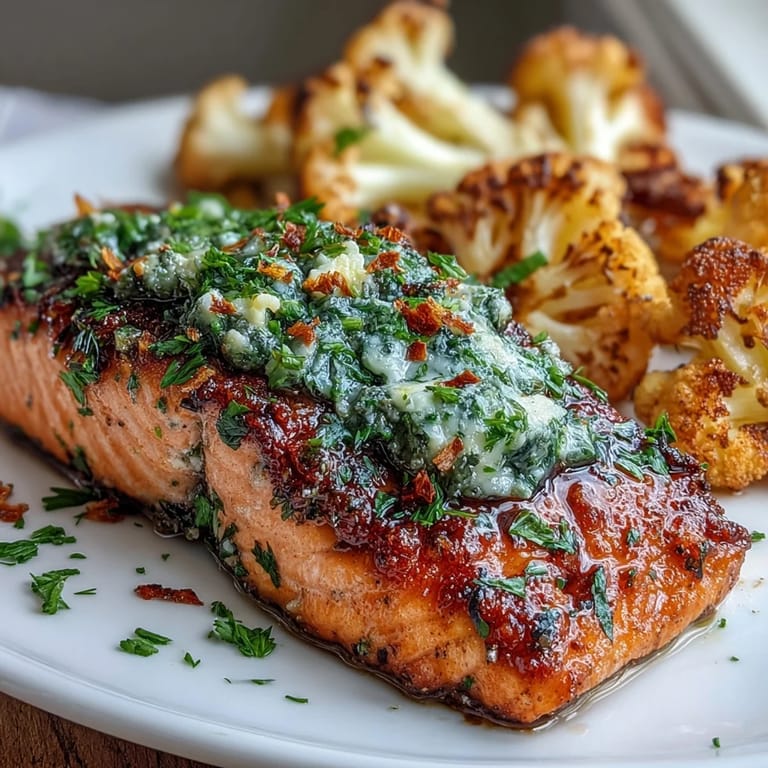
Pin There's something about the smell of fresh herbs hitting hot butter that pulls me straight into the kitchen, no matter what kind of day I'm having. My neighbor brought over a bunch of dill from her garden last spring, and I stood there wondering what to do with it until salmon seemed like the obvious answer. That first time I made this, I wasn't even thinking about keto or low-carb—I just wanted something that felt fancy but didn't require me to fuss for hours. The herb butter melted into golden pools across the salmon, and suddenly I understood why this became my go-to dinner when I wanted to feel like I'd actually cooked something.
I made this for my sister last month when she mentioned feeling overwhelmed by her new diet choices. She'd been stress-eating salads and pre-made meals, and I wanted to show her that eating differently didn't mean boring food. When she took that first bite and her eyes actually lit up, she asked for the recipe immediately. That's when I realized this dish works because it tastes indulgent even though it's genuinely good for you.
Ingredients
- Salmon fillets (about 150 g each): The quality of your salmon matters here—look for bright color and a fresh smell, and ask your fishmonger if they can remove any pin bones for you.
- Unsalted butter: Softened butter is essential because you're mixing it by hand, and cold butter just won't cooperate no matter how hard you try.
- Fresh parsley, dill, and chives: If you only have dried herbs, use about one-third the amount, but fresh really does change the entire character of this dish.
- Garlic clove: One small clove is usually perfect, but taste as you go because garlic can quickly overpower the delicate herbs.
- Lemon zest: Use a microplane or the small holes on a box grater—zest gives brightness without adding liquid that could make your butter separate.
- Sea salt and black pepper: Toast your black pepper in a dry pan for thirty seconds before grinding if you want an extra layer of complexity.
- Cauliflower florets: Cut them roughly the same size so they roast evenly, and don't crowd the pan or they'll steam instead of caramelize.
- Olive oil: Use good oil here because it's not being cooked down or hidden—you'll actually taste it.
- Smoked paprika: Optional but genuinely worth finding, because it adds a warmth that regular paprika just doesn't have.
Tired of Takeout? 🥡
Get 10 meals you can make faster than delivery arrives. Seriously.
One email. No spam. Unsubscribe anytime.
Instructions
- Heat your oven and prep your workspace:
- Set the oven to 220°C (425°F) and line your baking sheet with parchment paper now, before you touch anything else, so you're not scrambling later. This temperature is hot enough to actually caramelize the cauliflower instead of just softening it.
- Make the herb butter magic:
- Combine softened butter with parsley, dill, chives, minced garlic, lemon zest, salt, and pepper in a small bowl, stirring until everything is evenly distributed throughout. If you're worried about mixing, use a fork to really break down the butter and work everything together—it should look almost spreadable.
- Dress the cauliflower:
- Toss your cauliflower florets with olive oil, salt, pepper, and smoked paprika on the baking sheet, making sure each piece gets coated and arranged in a single layer. Don't pile them on top of each other or the bottoms will stay pale instead of turning golden.
- Start roasting the cauliflower:
- Roast for 25 minutes total, flipping the pieces halfway through around the 12 to 13-minute mark so everything browns evenly. You're looking for edges that start to char and a tender center.
- Prepare the salmon:
- While the cauliflower is roasting, pat your salmon fillets completely dry with paper towels—moisture is the enemy of a nice sear. Arrange them skin-side down in a parchment-lined baking dish.
- Top with herb butter:
- Spread about one tablespoon of the herb butter over each salmon fillet, working it gently into the flesh without tearing it. Reserve a bit extra if you want to drizzle on top after baking.
- Bake the salmon:
- About 12 minutes before the cauliflower is done, place the salmon in the oven on the same rack or a different one—it'll bake for 10 to 12 minutes depending on thickness. The salmon is ready when it flakes easily with a fork and looks opaque through.
- Bring it all together:
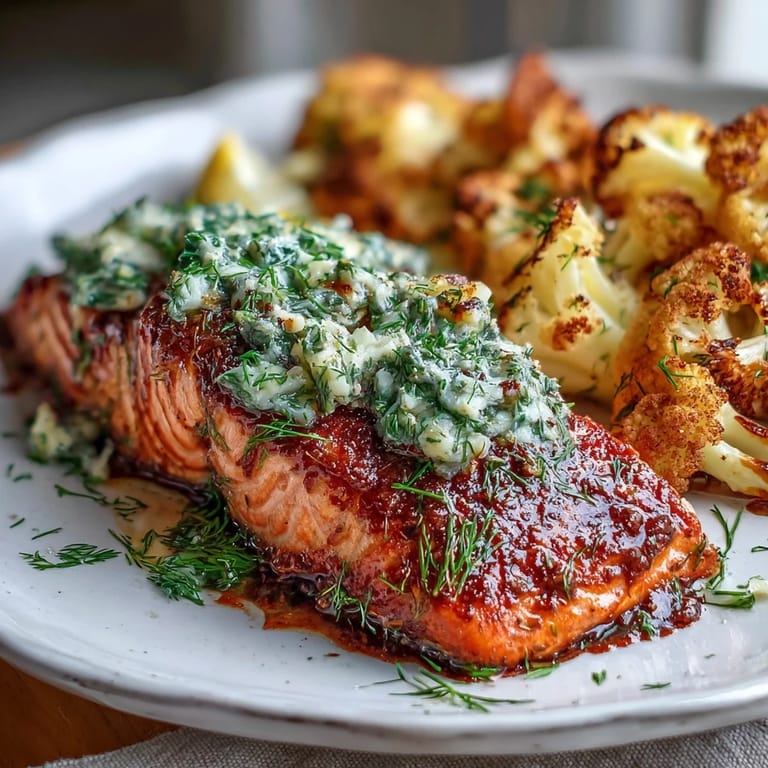
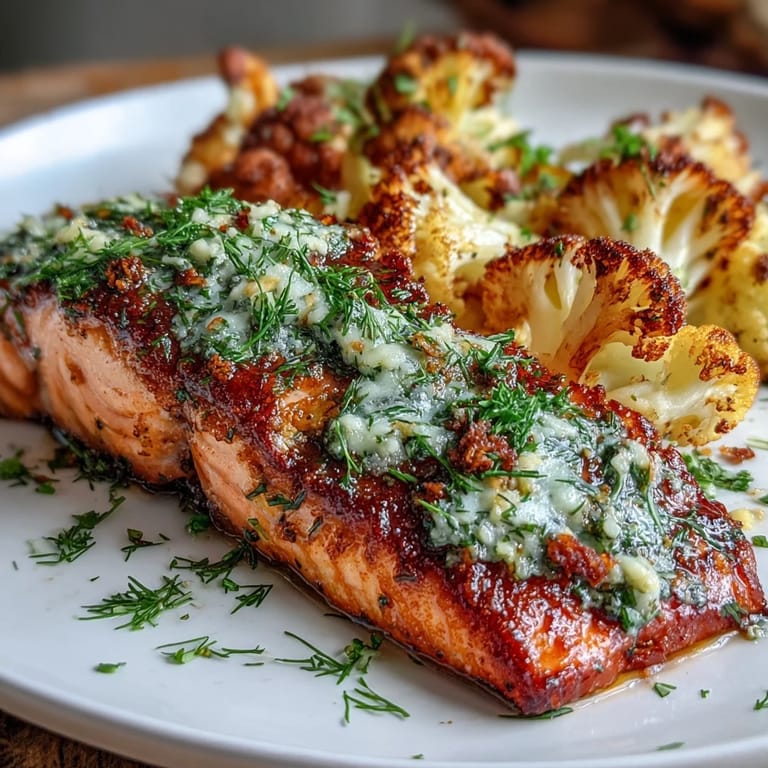
- Serve the hot salmon garnished with fresh herbs and lemon wedges alongside the golden roasted cauliflower. The herb butter will have mostly melted into the salmon, but any that pools at the bottom is precious—spoon it over.
 Pin
Pin I made this dish for myself on a Tuesday night when I didn't have any special occasion to justify it, just because I wanted something that felt celebratory. There's something powerful about deciding you're worth that effort, and this recipe makes it so easy to do. Eating it, I realized that health and flavor aren't actually at odds—they're just different priorities working toward the same goal.
Timing and Temperature Matter
The reason I recommend starting the cauliflower first is purely practical—it needs that full 25 minutes to really caramelize, while salmon is forgiving about cooking time. If you throw everything in at once, your salmon will overcook waiting for the cauliflower to finish. An instant-read thermometer takes the guesswork out of salmon doneness—you're looking for 145°F (63°C) in the thickest part, and honestly, that tool changed how confident I feel about cooking fish.
Making the Herb Butter Your Own
The beauty of herb butter is that it's genuinely flexible without losing its soul. I've swapped dill for tarragon when that's what I had, mixed in a tiny pinch of chili flakes when I wanted heat, and even added a whisper of Dijon mustard once just to see what would happen. The formula stays the same—softened fat plus aromatics plus acid—but the variations let you cook based on what's growing in your garden or what's in your mood. Experiment with basil, oregano, or even a combination of whatever fresh herbs seem interesting to you.
Serving Suggestions and Pairings
This meal stands completely on its own, but there are gentle ways to expand it if you're cooking for others or want something more substantial. A crisp Sauvignon Blanc beside the plate feels right, as does sparkling water with a lemon wedge if you're keeping it simple. For sides beyond the cauliflower, consider a simple green salad with lemon vinaigrette, or roasted asparagus if you want to add color without adding carbs.
- If you're batch cooking, the herb butter keeps in the fridge for three days and can top vegetables, roasted chicken, or even a steak.
- Leftovers actually taste great cold the next day if you have them, which almost never happens in my house.
- Double the herb butter recipe if you're feeding more people or want extra for drizzling—it never goes to waste.
 Pin
Pin This is the kind of meal that reminds you why cooking for yourself matters, even on ordinary nights. It's proof that eating well doesn't have to feel like compromise.
Recipe Q&A
- → Can I use frozen salmon fillets?
Yes, thaw frozen salmon completely in the refrigerator before cooking. Pat dry thoroughly to ensure the herb butter adheres properly and the fish browns evenly.
- → What other vegetables work well with this dish?
Broccoli, Brussels sprouts, asparagus, or green beans all roast beautifully alongside the salmon. Adjust cooking times based on vegetable thickness.
- → How do I know when the salmon is done?
The salmon is ready when it flakes easily with a fork and the internal temperature reaches 145°F. The flesh should appear opaque and slightly translucent in the center.
- → Can I make the herb butter in advance?
Absolutely. Mix the herb butter up to 3 days ahead and store it refrigerated. You can also roll it into a log using plastic wrap for easy slicing.
- → Is this suitable for meal prep?
This dish reheats well. Store components separately in airtight containers for up to 3 days. Reheat salmon gently to prevent drying, while cauliflower crisps up nicely in the oven or air fryer.
- → Can I grill instead of bake?
Yes, grill salmon over medium-high heat for 4-5 minutes per side. For cauliflower, use a grill basket or skewers, turning occasionally until charred and tender.