 Pin
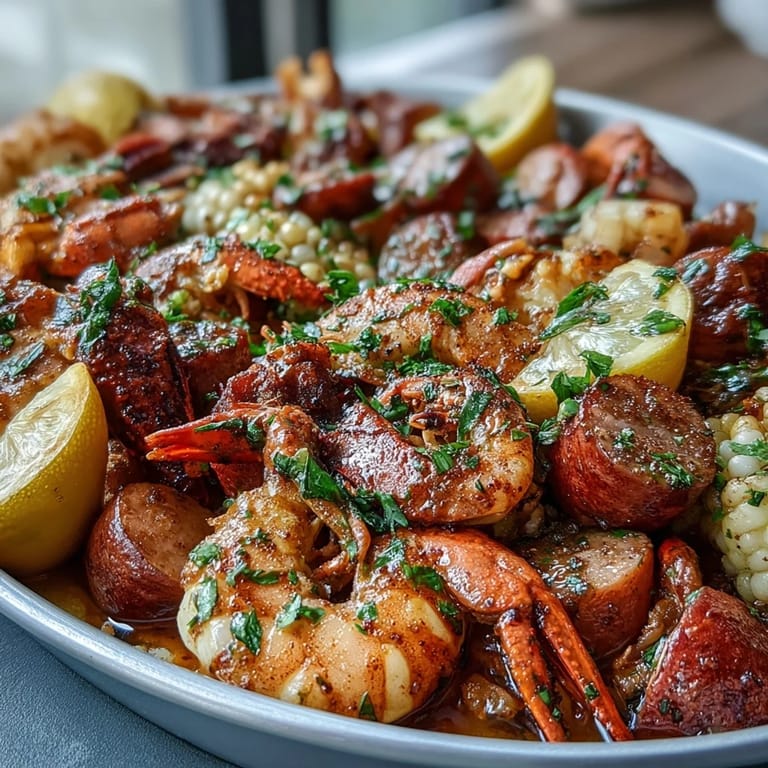
Pin My kitchen smells like a New Orleans street fair on weeknights now, thanks to this sheet pan crawfish boil. Years of watching my grandmother labor over massive outdoor pots made me think the magic couldn't happen indoors, but one rainy Tuesday I realized I was overthinking it. The real joy wasn't the production—it was the butter, the spice, the way everyone gathered around steaming food without pretense. This version lets you capture that entire experience in under an hour, no driveway setup required.
I made this for my partner on a night when he'd had the kind of day that needed comfort food, and he actually stopped mid-chew to ask what I'd done differently. It turned out the answer was nothing revolutionary—just letting everything roast together meant the flavors actually talked to each other instead of staying separate. He went back for thirds with lemon wedges, and we ended up planning when to make it again before the plate was even cleared.
Ingredients
- Whole cooked crawfish, 1 ½ lbs: These little crustaceans are your star—buy them already cooked and thawed so you're just warming them through and letting them soak up seasoning, not fighting raw-to-done timing.
- Smoked andouille sausage, 12 oz: Slice it thick enough that it doesn't disappear into the pan, and let the smoky edges caramelize a bit—that's where the depth lives.
- Baby red potatoes, 1 lb: Halve them so they roast through in the time frame; smaller pieces mean they get creamy inside while staying golden outside.
- Corn, 3 ears: Cut into thick pieces so they stay on your fork and actually taste like corn, not mushy starch.
- Yellow onion and red bell pepper: Cut into wedges large enough to handle and char slightly—they'll soften into sweetness while the edges crisp.
- Unsalted butter, 4 tbsp melted: This isn't a background player; it's the sauce that makes people want to drink the pan drippings with a spoon.
- Olive oil, 2 tbsp: Helps vegetables brown instead of steam, and adds a grassy note under all that Cajun spice.
- Cajun seasoning, 3 tbsp: Start here and taste before serving—some brands skew saltier or spicier, and you're the boss of your own heat level.
- Smoked paprika, 1 tsp: A whisper of smokiness that hints at outdoor cooking without overpowering the crawfish.
- Garlic, 4 cloves minced: Split between vegetable and crawfish batches so you get garlic flavor twice without it burning.
- Lemon slices: These stay in the pan and become part of the sauce, not just a garnish—they brighten everything.
- Fresh parsley: Sprinkle it on at the end for a pop of color and freshness that cuts through the richness.
Tired of Takeout? 🥡
Get 10 meals you can make faster than delivery arrives. Seriously.
One email. No spam. Unsubscribe anytime.
Instructions
- Heat your pan and prep:
- Preheat to 425°F and line a large sheet pan with parchment or foil—this protects the pan and makes cleanup almost pleasant. Have all your ingredients ready before you start mixing, so you're not hunting for garlic while oil gets hot.
- Build the vegetable layer:
- Toss potatoes, corn, onion, and pepper with olive oil, half the melted butter, 2 tablespoons Cajun seasoning, paprika, and half the garlic. The vegetables should glisten, and every piece should be coated—this is where the browning magic starts.
- First roast:
- Spread everything in one layer and roast for 20 minutes—you're not looking for doneness yet, just the beginning of tenderness and those golden edges that mean caramelization is happening.
- Season your proteins:
- While vegetables roast, toss crawfish and sausage with remaining butter, remaining Cajun seasoning, remaining garlic, and lemon slices in that same bowl. Let them sit so they start absorbing flavor before they even hit the heat.
- Combine and finish:
- After 20 minutes, pull the pan out, scatter the crawfish and sausage mixture over the hot vegetables, and gently toss everything together so flavors merge. Return to the oven for 12 to 15 minutes—the crawfish just need warming and the sausage needs those crispy edges to sing.
- Finish and serve:
- Pull from the oven when butter is bubbling and everything smells like a festival. Shower with parsley, serve immediately with lemon wedges, and watch people dunk their bread in that pan sauce.
 Pin
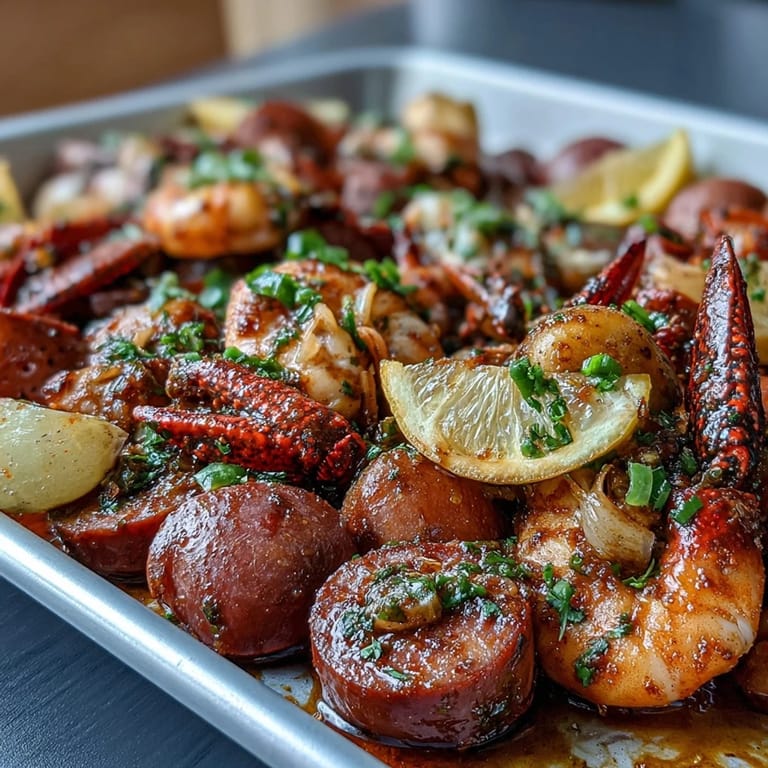
Pin There was a moment last month when my mother-in-law came home to the smell of this cooking and actually sat down at the counter without being asked, just to be near it. She told me it reminded her of festivals she hasn't been to in years, and suddenly this sheet pan dinner became less about feeding people and more about giving them a moment with something familiar and loved. That's when I knew this recipe was about more than convenience—it was about translation.
Why This Works as an Indoor Crawfish Boil
Traditional crawfish boils happen outdoors because the logistics demand it—massive pots, hours of tending, cleanup that sprawls across a driveway. This version steals the essential parts: the butter-soaked spice, the contrast of textures, the communal eating style, and the lemon-forward brightness. By roasting instead of boiling, you actually get better browning on sausage and vegetables, plus a concentrated sauce instead of a broth. The oven does most of the work while you set a table and pour drinks, which honestly sounds like a better party than the traditional version anyway.
Timing and Flexibility
Fifty-five minutes from start to serving might feel long until you realize you're hands-off for about 35 of those minutes. The 20-minute head start for vegetables is intentional—softer vegetables plus harder crawfish added midway means everything finishes at the same moment instead of some things getting mushy while others stay raw. You can prep everything the morning of and just toss and roast when hunger hits, which makes this ideal for weeknight company or when you want restaurant-quality food without the reservation.
Making It Your Own
This recipe is a foundation, not a rule book—I've seen people add jalapeños for heat, swap corn for green beans when it's not summer, use shrimp when crawfish prices spike, and even throw in okra because they had it on hand. The Cajun seasoning amount should be a starting point; taste before serving and adjust if your brand runs particularly salty or if you're feeding someone who prefers less heat. The beauty of a sheet pan dinner is that it adapts to what's in your fridge and what your table actually wants to eat.
- Add jalapeños sliced thin if you want lingering heat that builds with each bite.
- Crusty bread is non-negotiable for soaking pan juices—skip it and you'll regret it.
- Leftover sauce freezes beautifully and becomes a base for soups or a sauce for fish the next week.
 Pin
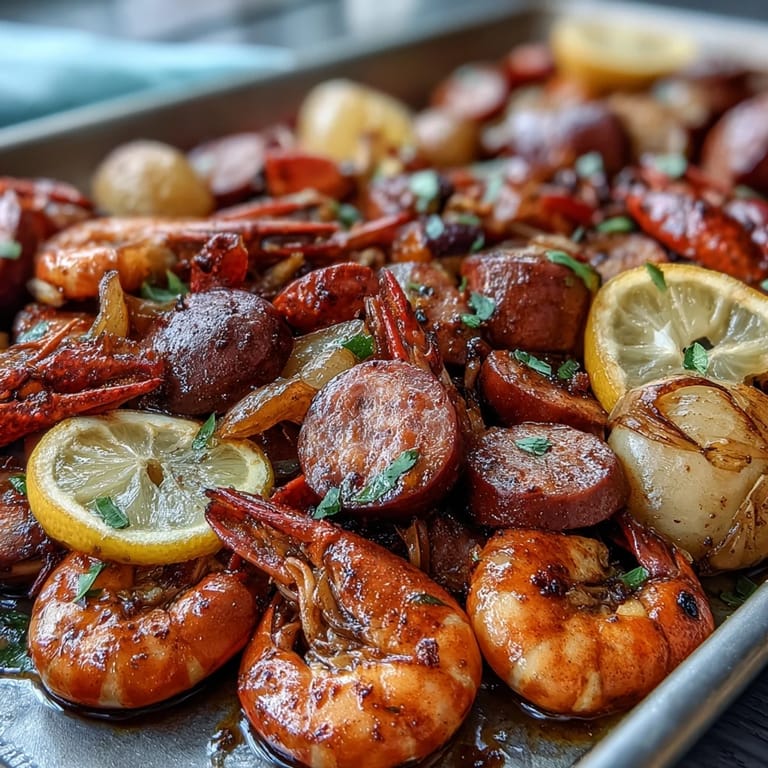
Pin This sheet pan dinner transformed how I think about weeknight cooking—proof that you don't need complicated steps or special equipment to feel like you're doing something celebratory. Every time I make it, someone asks for the recipe, and that small moment of sharing feels like the truest version of what food is supposed to do.
Recipe Q&A
- → Can I substitute other seafood for crawfish?
Yes, shrimp or cooked crab can be used as alternatives to crawfish while maintaining similar flavors.
- → How spicy is the seasoning blend?
The Cajun seasoning combined with smoked paprika offers a moderate spice level, adjustable to taste by adding more or less.
- → What is the best way to cook the vegetables evenly?
Roast the potatoes, corn, onion, and peppers first for 20 minutes before adding seafood and sausage, ensuring tender vegetables.
- → Can this dish be prepared ahead of time?
Vegetables can be prepped in advance, but for best texture, combine and roast seafood and sausage just before serving.
- → What sides complement this sheet pan meal?
Crusty bread works wonderfully to soak up juices, and a fresh green salad balances the rich flavors.