 Pin
Pin Last Tuesday, I was standing in front of my open fridge at 5:45 PM, staring down the barrel of a hungry family and absolutely no plan. A package of salmon caught my eye, and suddenly I remembered how my sister swore by sheet pan dinners—everything in one place, minimal fuss, maximum flavor. Twenty minutes later, my kitchen smelled like roasted lemon and herbs, and everyone was reaching for seconds before I'd even sat down. That's when I realized this wasn't just dinner; it was my new secret weapon.
I made this for my coworker Sarah the week she went back to work after maternity leave, and she actually teared up a little when I handed it to her. She said it was the first meal in months where she didn't have to think about what to cook, and that small gift meant more than any baby shower present ever could. Sometimes the simplest dishes are the ones that matter most.
Ingredients
- Salmon fillets (4 pieces, 6 oz each): Look for fillets that are firm to the touch and smell fresh, not fishy; skin-on keeps them moist and adds texture, but skinless works just fine if that's what your market has.
- Baby potatoes (1 lb, halved): These little nuggets are forgiving and cook evenly because they're already small; if you can't find baby potatoes, cut regular ones into similar-sized chunks.
- Fresh green beans (12 oz, trimmed): Trim both ends with a quick snap of your fingers or a knife, and they'll cook faster and taste cleaner.
- Olive oil (3 tbsp): Use something you actually like tasting, because this isn't the place to hide behind cheap oil; it's the carrier for all your flavors.
- Fresh lemon juice (2 tbsp): Fresh is non-negotiable here—bottled juice tastes thin and metallic compared to the real thing, and it's literally just squeezing one lemon.
- Dijon mustard (2 tsp): This tangy little component acts like an invisible flavor booster, bringing depth without tasting like mustard at all.
- Garlic cloves (2, minced): Mince them fine so they distribute evenly and don't burn; burnt garlic is bitter and ruins the whole vibe.
- Dried oregano and thyme (1 tsp each): Dried herbs are actually perfect here because the heat brings them to life and they won't wilt like fresh herbs would.
- Salt and black pepper (½ tsp each, plus more): Taste as you go because salt levels vary by brand and personal preference, and you can always add more but you can't take it out.
- Lemon slices and fresh parsley (for garnish): The parsley adds a fresh pop of color and brightness right at the end, while lemon slices look intentional and beautiful.
Tired of Takeout? 🥡
Get 10 meals you can make faster than delivery arrives. Seriously.
One email. No spam. Unsubscribe anytime.
Instructions
- Get your oven ready:
- Preheat to 425°F and line your sheet pan with parchment paper or foil—this step saves you from scrubbing charred salmon skin off later, trust me. A clean pan makes plating feel less stressful.
- Build your marinade:
- Whisk together the oil, lemon juice, mustard, garlic, oregano, thyme, salt, and pepper in a bowl until it looks smooth and well combined. This is your flavor anchor for everything that follows.
- Start with the potatoes:
- Toss the halved potatoes in the marinade until they're glistening, then spread them on the sheet pan in a single layer and roast for 12 minutes alone. They need a head start because they take longer to cook than everything else.
- Add the green beans:
- Toss your trimmed green beans in whatever marinade is left clinging to the bowl, coating them evenly. This is also when you can step back and actually catch your breath for a second.
- Bring everything together:
- Remove the pan from the oven, push potatoes aside to make room, then add the green beans and salmon fillets, brushing the salmon with extra marinade. If you want those lemon slice garnishes, lay them on top now so they roast into the fish.
- Final roast:
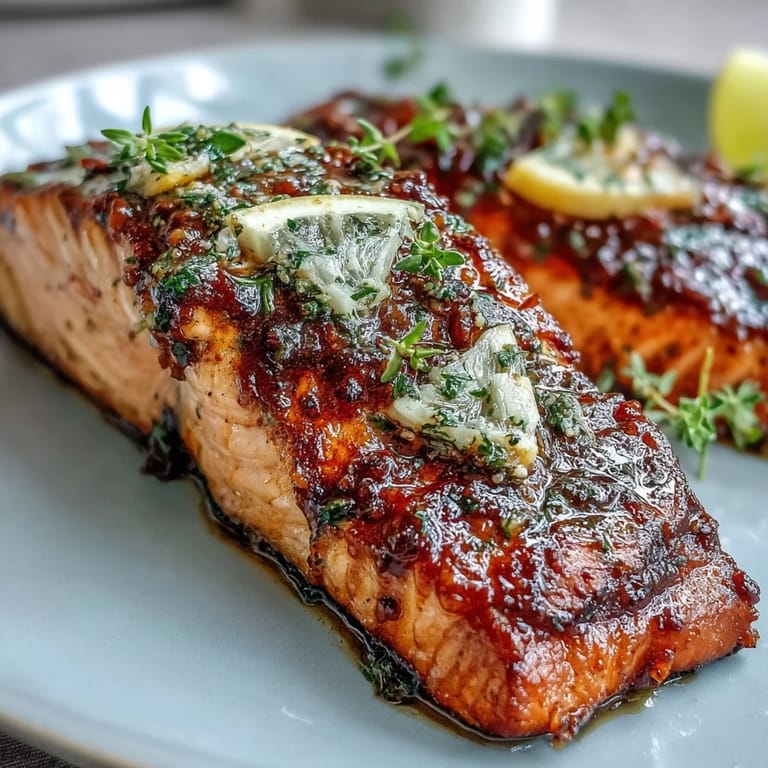
- Return the pan to the oven for 13 to 15 minutes, watching until the salmon flakes easily when you press it with a fork and reaches 145°F internally. Your vegetables should be tender and the kitchen should smell absolutely heavenly.
- Finish and serve:
- Pull everything out, scatter parsley over the top, and bring the whole pan to the table if you're feeling casual, or plate individually if you're feeling fancy. Either way, eat while everything is still warm.
 Pin
Pin My 7-year-old nephew actually asked for seconds of green beans that night, which has never happened before in his entire life. I watched him dip them in the pan juices and suddenly understood why people get so emotional about cooking for the people they love—it's not about the food, it's about the moment where someone tastes something and just... smiles.
Why This Works as a Weeknight Dinner
Sheet pan meals saved my life during a particularly brutal stretch at work where I was coming home at 7 PM with zero energy and zero ideas. The genius of this recipe is that your vegetables and protein cook at the same temperature and finish at almost the same time, which means no babysitting, no timing calculations, just one beep from the oven and dinner is ready. It's become my go-to when I need something that feels restaurant-quality but tastes like home.
Variations That Actually Work
Once you nail the basic method, you can swap things around without losing the soul of the dish. I've tried asparagus instead of green beans on nights when potatoes weren't calling to me, and broccoli when I wanted something heartier and more filling. The marinade plays nice with almost any vegetable, so don't be afraid to raid your crisper drawer and see what speaks to you.
The Art of Not Overcooking Salmon
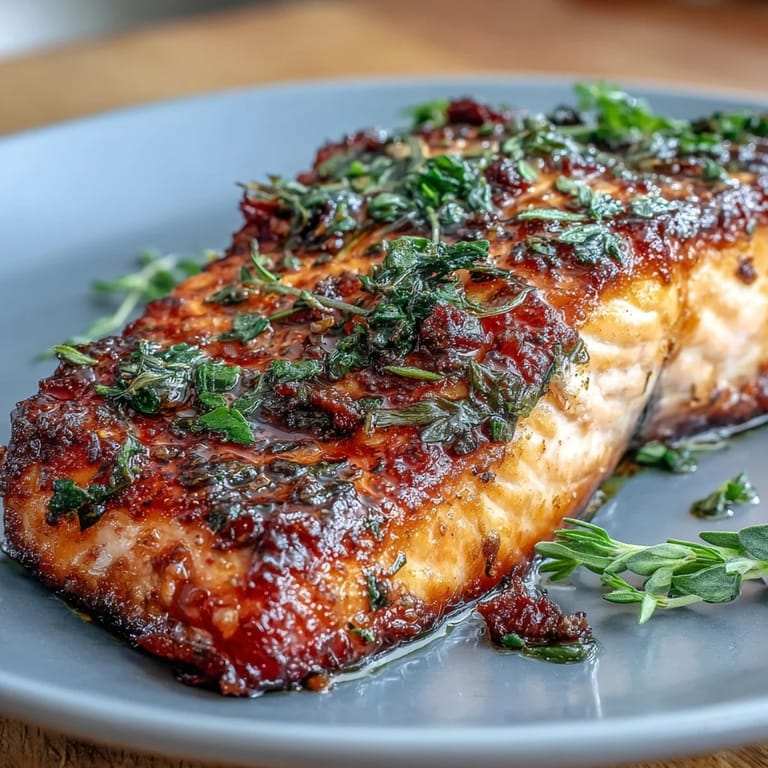
Overcooked salmon is stringy, dry, and sad in a way that breaks my heart, so this deserves its own moment of attention. The internal temperature should reach 145°F, but the real tell is when you press the thickest part of the fillet gently with your fork and it flakes into soft, opaque pieces instead of fighting back. Remove it from the oven when there's still just the tiniest hint of translucence in the very center—carryover heat will finish the job and you'll end up with silky, moist fish every single time.
- Check salmon at the 13-minute mark to avoid any surprises or overdone fillets.
- Thinner fillets cook faster, so adjust your timing accordingly if yours are noticeably thinner or thicker than average.
- An instant-read thermometer is your friend if you're nervous about judging doneness by sight alone.
 Pin
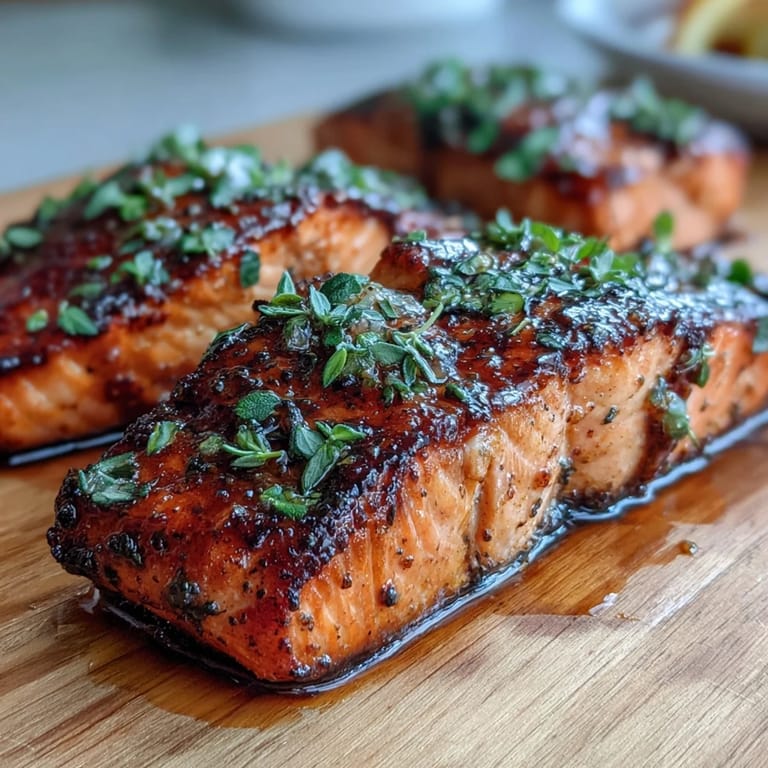
Pin This meal has become the thing I make when I want to prove to myself that I still know how to cook, that I can feed people I love with something real and nourishing. It's uncomplicated enough for a Tuesday and elegant enough to serve when someone matters.
Recipe Q&A
- → Can I substitute green beans with other vegetables?
Yes, green beans can be swapped for asparagus or broccoli for a different but equally delicious flavor and texture.
- → How do I know when the salmon is cooked properly?
Cook salmon until it reaches an internal temperature of 145°F (63°C), or until it flakes easily with a fork and looks opaque throughout.
- → Can I prepare this dish ahead of time?
You can marinate the ingredients in advance, but roast just before serving to maintain optimal texture and flavor.
- → What wine pairs well with this meal?
A crisp Sauvignon Blanc complements the lemon and herbal notes in this dish beautifully, enhancing the seafood flavors.
- → Is this suitable for gluten-free and dairy-free diets?
Yes, all ingredients used are naturally gluten-free and dairy-free, making this dish safe for those dietary needs.