 Pin
Pin There was a Saturday morning when the kitchen buzzed with nervous energy, because I decided to surprise my nephew with a jersey cake for his graduation. Measuring flour while humming along to the radio, I caught a whiff of vanilla and imagined his wide-eyed reaction. That scent mixed with the anticipation of sculpting something so festive gave a playful edge to the whole process. The idea wasn’t just about dessert, but about letting his sports enthusiasm shine as part of the celebration. I found myself grinning as the butter creamed, already envisioning the moment he’d spot his favorite team colors.
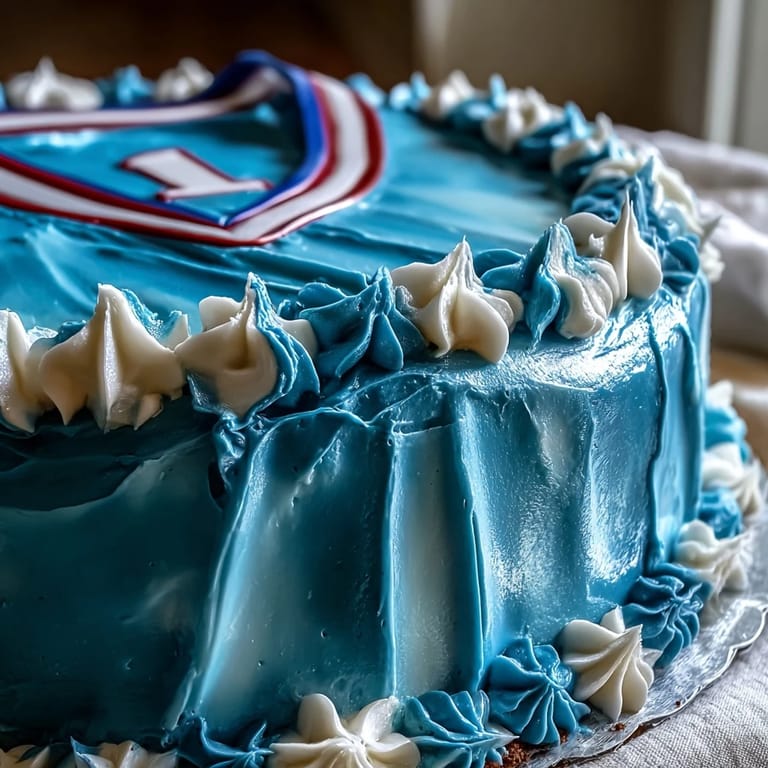
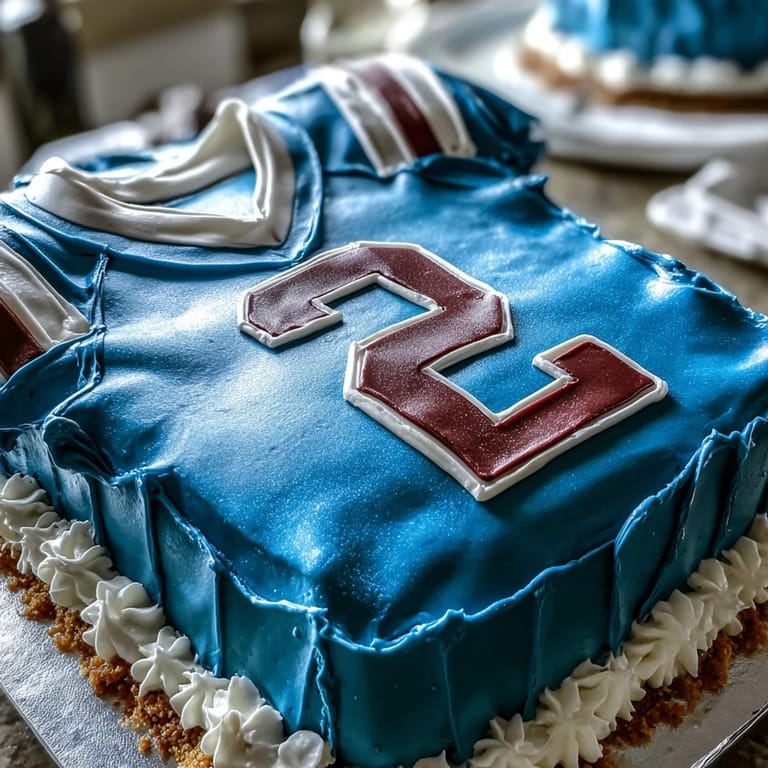
I remember carving the cake into the shape of a jersey while my sister watched, handing me the serrated knife and nudging me to get a little creative with the sleeves. There was laughter when I nearly trimmed the armhole too deep, and gentle encouragement to trust my eye. We debated color choices—the kitchen turned into a mini sports design studio. The quiet satisfaction came when the fondant was draped, creating that smooth, professional finish. The process felt as much like crafting a memory as baking a dessert.
Ingredients
- All-purpose flour: Gives structure to the cake—measuring carefully prevents a dense texture.
- Baking powder: Ensures a gentle rise, so the cake carves cleanly for shaping.
- Salt: Balances sweetness, bringing out subtle flavor notes in both cake and frosting.
- Unsalted butter: Creates richness and a tender crumb; softening it thoroughly is key.
- Granulated sugar: Sweetens and lightens the cake as it creams with butter, guaranteeing a smooth batter.
- Eggs: Bind the ingredients together and add moisture—room temperature eggs blend best.
- Whole milk: Adds richness and helps the cake stay moist through shaping and decorating.
- Vanilla extract: Brings a comforting aroma and warmth to every bite.
- Powdered sugar: Makes the buttercream smooth and easy to spread; sifting removes lumps.
- Food coloring gel: Provides vibrant hues without altering fondant texture.
- White fondant: Forms the canvas for designs—knead well before rolling to avoid cracks.
- Cornstarch: Prevents sticking when rolling fondant, keeping the surface flawless.
- Edible black food marker or black fondant: Adds sharp jersey details and personal touches.
Tired of Takeout? 🥡
Get 10 meals you can make faster than delivery arrives. Seriously.
One email. No spam. Unsubscribe anytime.
Instructions
- Prepare the cake pan:
- Grease and line your 9x13-inch pan with parchment, running fingertips along the edges for a perfect fit. The pan is the base for your jersey canvas.
- Mix dry ingredients:
- Whisk flour, baking powder, and salt in a medium bowl, letting them mingle well—this sets up a smooth batter later.
- Cream butter and sugar:
- Beat butter and sugar until pale and fluffy, letting the mixer hum and aerate the mixture. Each egg should be added one at a time, watching the batter turn glossy between additions.
- Add vanilla and combine wet and dry:
- Pour in vanilla, then alternate adding flour mixture and milk, stirring gently so the cake stays light and tender. Stop mixing as soon as everything comes together.
- Bake the cake:
- Pour batter into the pan, smoothing the surface. Bake until golden and a toothpick comes out clean, filling the kitchen with a comforting aroma.
- Make buttercream frosting:
- Whip softened butter until silky smooth. Gradually add powdered sugar, milk, vanilla, and salt until the frosting is light and spreadable.
- Carve to jersey shape:
- Once cool, lift the cake and use a serrated knife to shape it like a jersey, curving the edges and cutting shallow indentations for armholes. A gentle touch keeps everything intact.
- Crumb coat and chill:
- Spread a thin layer of buttercream over the entire cake, catching stray crumbs. Chill in the fridge for 30 minutes for easier fondant work.
- Tint and roll fondant:
- Knead fondant until pliable, tinting with team colors. Roll out on cornstarch-dusted surface to a smooth sheet about ⅛ inch thick.
- Cover and decorate:
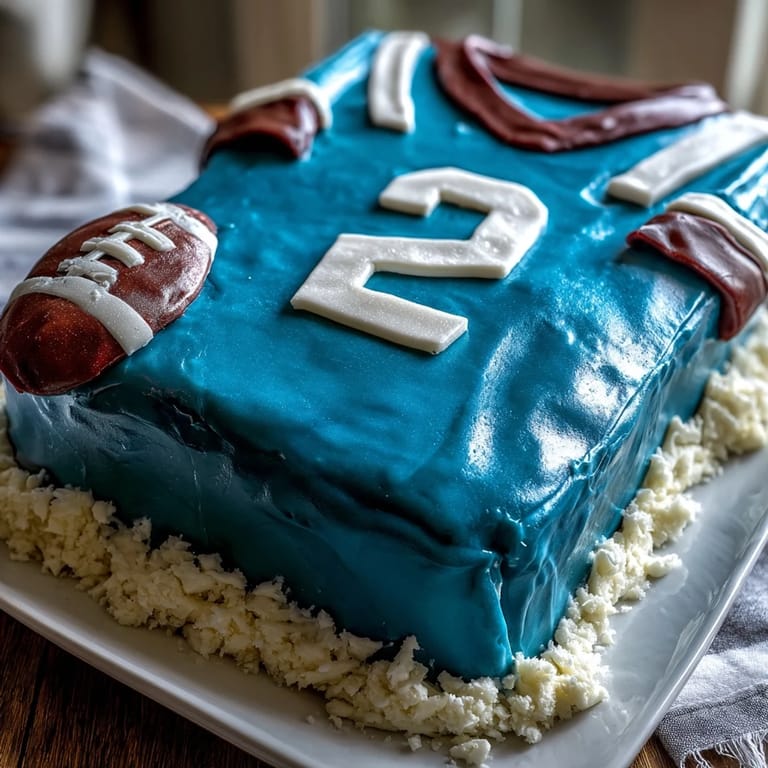
- Drape fondant over chilled cake, smoothing with hands or fondant tools. Trim the excess and add details using colored fondant or edible markers—make sure the graduate’s name, number, and year stand out.
- Serve proudly:
- Lift the finished cake onto a serving board, admiring your handiwork. Let the celebratory spirit be the first thing guests see!
 Pin
Pin The cake was placed at the heart of the table, and a hush fell over the room as everyone admired the customized jersey and the graduation year. The smile on my nephew’s face was pure pride—it felt like gifting him a sweet, edible trophy. Later, slices were passed around along with congratulatory jokes, and it wasn’t just dessert, but a centerpiece for celebration.
Fondant Handling Tricks
Fondant can be tricky—I've found dusting the surface lightly with cornstarch keeps it from sticking, but too much can leave a chalky finish. Using food-safe gloves while kneading helps keep colors from staining your hands as well as blending better. If you roll out the fondant too thin it may tear over the curved edges of the jersey; aiming for a uniform thickness makes all the difference.
Personalizing for Your Graduate
Every time I make a jersey cake, I ask the graduate what team colors and jersey number they want—the personal details always get the biggest reaction when the cake is revealed. If you’re celebrating a soccer fan, use black fondant for the bold stripes; for basketball, consider brighter hues and playful numbers. The edible markers let you really get creative, and even doodling a tiny graduation cap adds a fun touch to the design.
Timing and Serving Day Tips
On serving day, bring the cake out of the fridge at least an hour ahead so the fondant softens and the flavors shine. If your house is humid, keep the cake away from direct sunlight—fondant likes shade and cool air. Don’t forget a sturdy board for display and slicing.
- Check fondant edges for dryness before presenting.
- Sharp knife makes clean slices through all layers.
- Save extra buttercream for emergency touch-ups.
 Pin
Pin This cake always seems to spark conversation and smiles—little floury fingerprints and laughter linger long after. Let your creativity take the lead, and make graduation a bit sweeter and more memorable.
Recipe Q&A
- → How do I shape the cake into a jersey?
After cooling, use a serrated knife to carve curved shoulders and indented sides, forming a recognizable jersey outline.
- → Can I personalize the cake’s colors and decorations?
Yes, tint fondant with food coloring gel and add jersey numbers, names, and stripes to suit favorite teams or graduation year.
- → What tools are essential for decorating?
You’ll need a cake pan, electric mixer, rolling pin, offset spatula, and optionally a fondant smoother and food-safe gloves.
- → Is there a chocolate version available?
Substitute ¾ cup of flour with unsweetened cocoa powder for a rich chocolate cake base, then continue with the decoration steps.
- → What allergens should I be aware of?
This dessert contains wheat, eggs, dairy, and fondant may have nut traces. Always check packaging if allergies are a concern.
- → What’s the yield and nutritional value?
The cake serves 12, with each serving offering 540 calories, 22g fat, 82g carbohydrates, and 4g protein—ideal for party gatherings.