 Pin
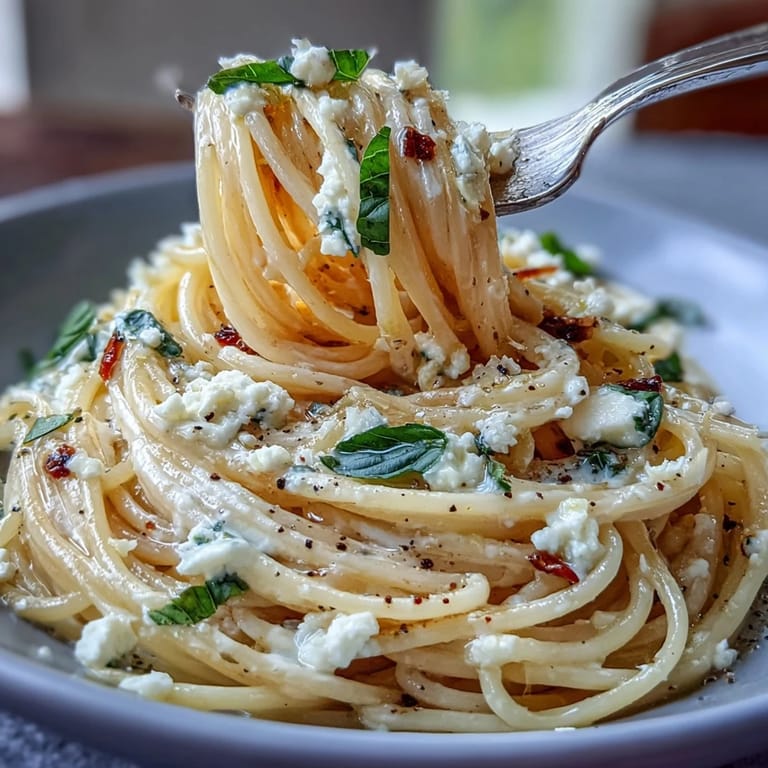
Pin Loud birdsongs outside the window and a wedge of lemon on the kitchen counter announced spring’s arrival before I could. Fresh pasta nights in April always seem to insist on something breezy, so when I first tossed this golden tangle together I remember laughing at just how bright and simple dinner could taste. You know that fluttery excitement when zest hits warm butter—instantly, the whole kitchen smells like an invitation. A few scattered basil leaves later and the sun felt closer too. Those 15 minutes raced by, but the lightness lingered on our tongues long after.
Last spring, I made this pasta for a busy Tuesday dinner—just me, the radio humming, and the stubbornly cheerful scent of lemon refusing to be ignored. I plated up for a friend who’d shown up unannounced, and we agreed it tasted like sunshine had somehow become edible. Even as we ate, we found ourselves grating more parmesan straight onto the bowls, laughing at our inability to stop.
Ingredients
- Dried spaghetti or linguine (200 g): Once cooked just until al dente, the noodles carry the luscious sauce without becoming heavy—choose good quality if you can for the best texture.
- Unsalted butter (40 g): Helps the sauce shine with a velvetiness that salted butter can sometimes muddle—melting it gently is the secret to coaxing out its sweetness.
- 1 large lemon (zest and juice): Use both zest and juice—zesting before juicing is far less fiddly (learned from many sticky fingers).
- Pasta cooking water (60 ml): A splash of this starchy water brings silkiness and helps the sauce cling seductively to every strand.
- Parmesan cheese, finely grated (60 g): Finely grating means it melts fast and thoroughly—nothing stringy or stubborn here, just pure creaminess.
- Freshly ground black pepper (1/4 tsp): Don’t hold back—it brings subtle heat that keeps the dish lively.
- Salt, to taste: Season both the pasta water and the final dish; tasting as you go is crucial.
- Fresh basil leaves, torn: Tearing by hand releases that peppery, green aroma, especially just before serving.
- Extra parmesan and lemon zest (optional): For garnish—never a bad decision for more layers of flavor and brightness.
Tired of Takeout? 🥡
Get 10 meals you can make faster than delivery arrives. Seriously.
One email. No spam. Unsubscribe anytime.
Instructions
- Boil and Cook:
- Fill your biggest pot with generously salted water and get it rolling before dropping in the pasta. Stir once or twice so nothing sticks and cook until the noodles are just al dente—reserve a good pour of the cooking water, then drain well.
- Melt and Infuse:
- As the pasta cooks, set a wide skillet over medium heat and gently melt the butter. Swirl in the lemon zest and pause for a moment as the kitchen fills with its fragrance—about 30 seconds is all it takes.
- Toss and Brighten:
- Transfer the drained pasta straight into the pan, letting it sizzle softly as you toss to coat every strand in the scented butter. Pour over the lemon juice and reserved pasta water, stirring so everything is glistening.
- Cream and Season:
- Over low heat, shower in the parmesan and a good grind of pepper; toss vigorously until the sauce thickens and hugs the noodles. Taste, then sprinkle in a pinch of salt or more cheese if your heart (and your palate) wants it.
- Finish Fresh:
- Off the heat, tumble in the torn basil and give it one last gentle toss so everything is flecked with green. Serve at once, garnished with extra parmesan and a dusting of lemon zest if the mood strikes.
 Pin
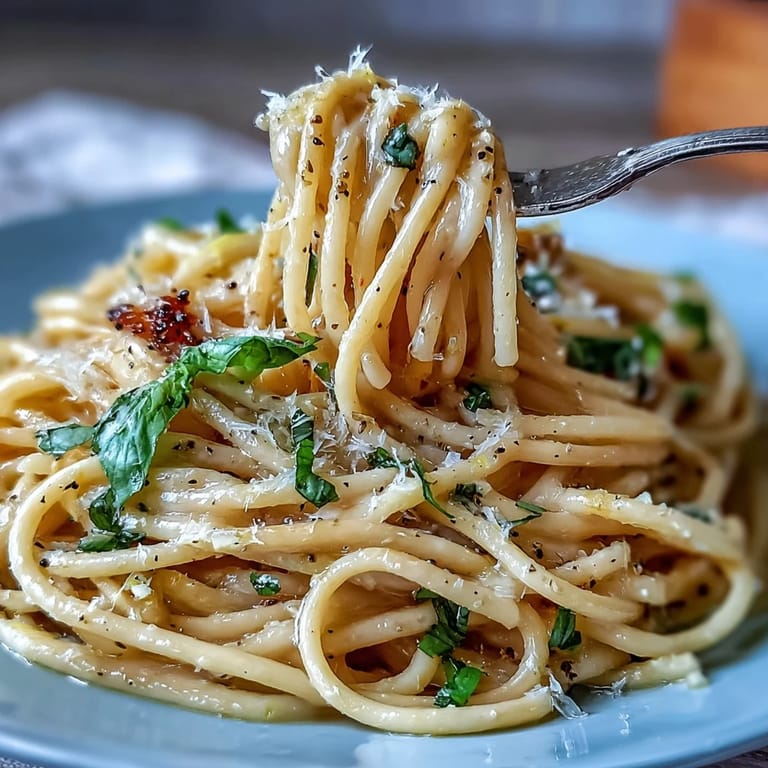
Pin The first time someone closed their eyes at the table and simply let out a little sigh after a bite of this pasta, I realized it had quietly become more than just a meal for us—it was an edible pause button on a hectic day.
Choosing the Right Lemon Makes a Difference
If you can, pick a lemon with smooth, glossy skin—the zest will be more fragrant and less bitter. Zesting it straight over the pan lets every bit of those aromatic oils land in the sauce, not on the cutting board.
Making it Vegetarian-Friendly (or Not)
This dish sings just as it is, but it’s also a flexible base—grilled chicken or shrimp nestle in without a fuss. If you’re cooking for vegans, use plant-based butter and cheese, and nobody will miss a beat.
Quick Fixes and Final Touches
When the sauce looks too thin, tossing over low heat for another minute lets it thicken up before serving. Resist rinsing the pasta; that stickiness is your friend here. Always taste before serving for perfect lemony balance.
- Add a tiny splash of cream for extra richness if you like.
- Basil goes in off-heat to stay vibrant—never early.
- Don’t skip the garnish; it makes all the difference for your eyes and your taste buds.
 Pin
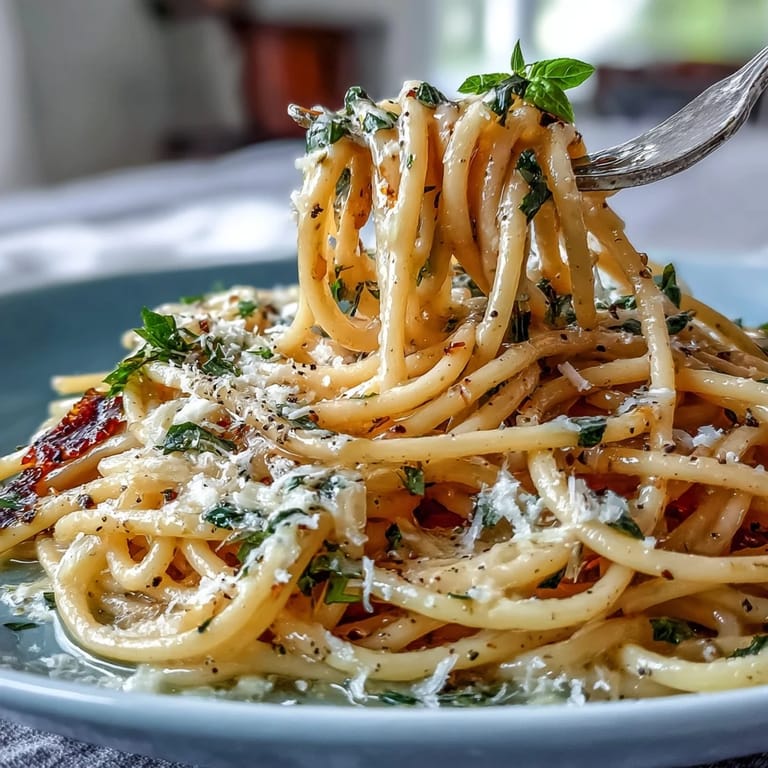
Pin Let this Spring Pasta Limone remind you that some of the most joyful meals require nearly nothing but freshness and a little confidence. Here’s to more quick dinners that taste like sunshine.
Recipe Q&A
- → Which pasta shape works best?
Long strands like spaghetti or linguine are ideal—the sauce coats the strands evenly and creates a silky mouthfeel.
- → How do I keep the sauce creamy and avoid separation?
Always reserve some pasta cooking water and toss over low heat while adding parmesan gradually; the starchy water helps emulsify butter and cheese into a smooth sauce.
- → Can I adjust the lemon intensity?
Yes. Start with the juice of one lemon and add more to taste. Use zest for bright aromatics without increasing acidity.
- → What are good dairy-free or gluten-free swaps?
Use certified gluten-free pasta for no-gluten versions and replace butter and parmesan with vegan butter and plant-based grated cheese for dairy-free options.
- → How should leftovers be handled?
Store cooled pasta in an airtight container in the fridge for up to 2 days. Reheat gently in a skillet with a splash of water or olive oil to revive the sauce.
- → Which wines pair well with this dish?
Bright, acidic whites like Sauvignon Blanc or Pinot Grigio complement the lemon-butter flavors and cut through the richness of the cheese.