 Pin
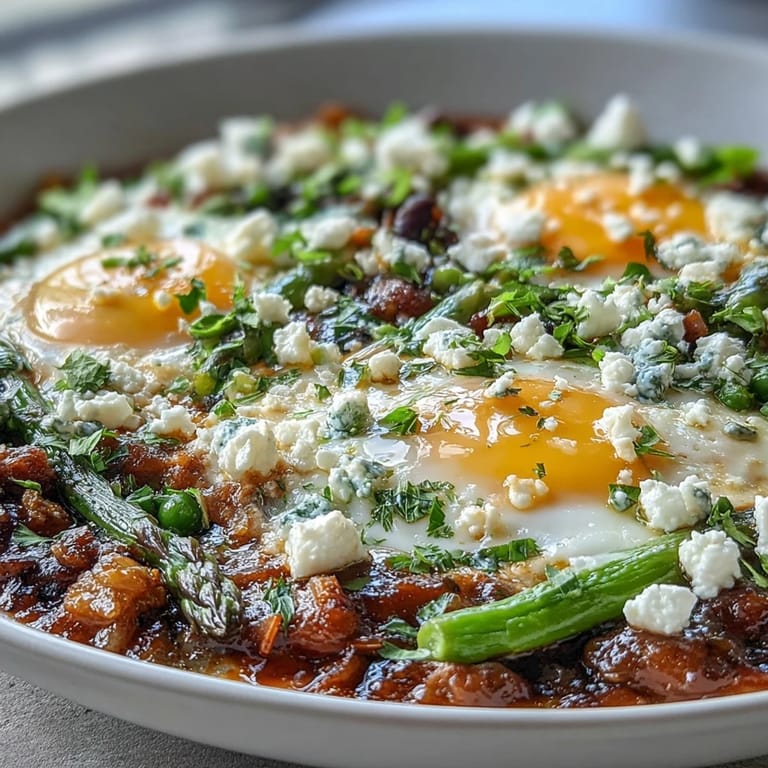
Pin There's something about spring vegetables that makes you want to cook differently. I was wandering through the market one April morning when the pea shoots and broad beans caught my eye, and suddenly I wasn't thinking about salads anymore—I was imagining them nestled into a warm, spiced tomato sauce with eggs sliding in at the end. This shakshuka felt like an obvious leap, a way to celebrate the season without overthinking it, and it's become the dish I reach for whenever I want something that feels both comforting and alive.
I made this for four friends on a Sunday afternoon when nobody wanted to plan too carefully, and watching them all lean in over their own bowls—the steam rising, the feta catching the light—reminded me why food cooked in a shared pan feels different. There's an honesty to eating straight from the skillet that makes conversation easier.
Ingredients
- Fresh or frozen peas and broad beans: Use frozen without guilt; they're picked at peak ripeness and honestly better than mediocre fresh ones, and the blanching keeps them bright and tender rather than mushy.
- Asparagus: Cut into two-inch pieces so they cook evenly with the other vegetables and don't get lost in the sauce.
- Onion and red bell pepper: These build the flavor base, so don't rush the sautéing—five minutes lets them turn sweet and forgiving.
- Garlic: Mince it fine so it dissolves into the sauce rather than lurking in chunks.
- Canned tomatoes: Good quality canned tomatoes are honestly more reliable than fresh ones outside of peak season, and they create the sauce's body.
- Tomato paste: This concentrates the tomato flavor and adds depth that raw tomatoes alone can't match.
- Ground cumin, smoked paprika, and coriander: These spices are what make this feel like shakshuka and not just eggs in red sauce; toast them briefly to wake them up.
- Eggs: Use the freshest you can find since you're eating them barely cooked, and room temperature eggs cook more evenly.
- Feta cheese and fresh herbs: The feta adds salt and tang that cuts through the richness, while parsley or mint brings a bright finish.
Tired of Takeout? 🥡
Get 10 meals you can make faster than delivery arrives. Seriously.
One email. No spam. Unsubscribe anytime.
Instructions
- Prepare the spring vegetables:
- Bring salted water to a boil and blanch the peas and broad beans for just two minutes, then plunge them into ice water to stop the cooking. This keeps them bright green and prevents them from turning gray and tired in the final sauce.
- Build the aromatic base:
- Heat olive oil in your skillet and sauté the onion and bell pepper slowly over medium heat, letting them soften and turn sweet for about five minutes. Listen for the quiet sizzle; that's how you know the heat is right.
- Bloom the spices:
- Add minced garlic along with the cumin, paprika, coriander, and chili flakes, cooking just until the kitchen smells incredible—about a minute. This step transforms raw spice powder into something fragrant and alive.
- Create the sauce:
- Stir in the tomato paste first, letting it caramelize slightly in the oil for a minute before adding the canned tomatoes. Simmer for ten minutes, stirring occasionally, until the sauce thickens and the raw edge of the tomatoes softens away.
- Add the vegetables and season:
- Pour in the blanched peas, broad beans, and asparagus pieces, tasting as you go and seasoning generously with salt and pepper. Let everything simmer for five to seven minutes until the asparagus is just tender but still has a whisper of resistance.
- Nestle in the eggs:
- Create four small wells in the vegetable mixture by gently pushing vegetables aside, then crack an egg into each one. Cover the pan and lower the heat, cooking for seven to ten minutes—the whites will set first, and you'll know they're done when they turn opaque but the yolks still jiggle slightly when you shake the pan.
- Finish and serve:
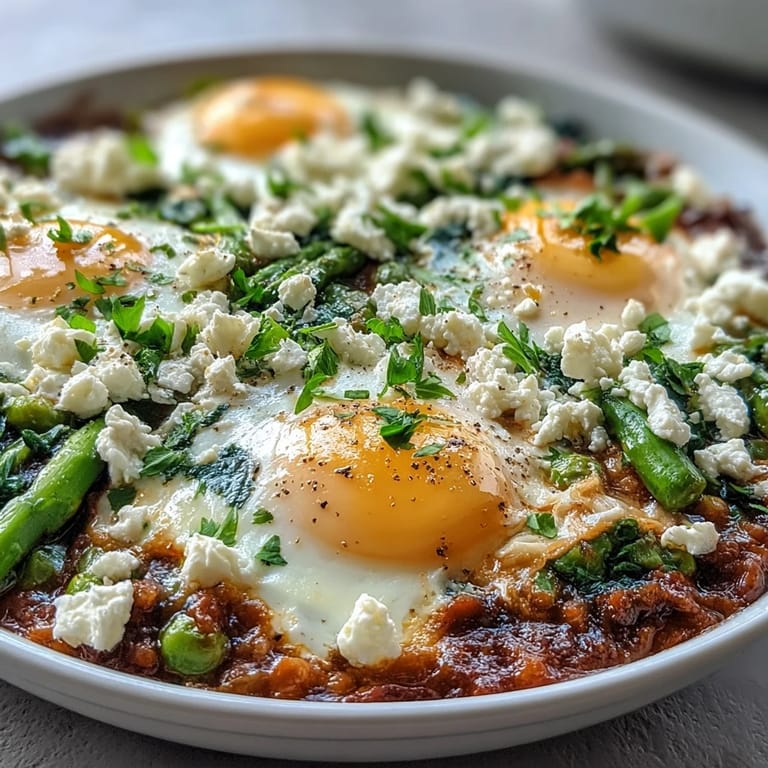
- Remove from heat and scatter crumbled feta and fresh herbs across the top, finishing with a drizzle of good olive oil. Serve straight from the pan with crusty bread for soaking up every bit of sauce.
 Pin
Pin One evening I made this for my partner when they were having a rough day, and they sat down and didn't say much for a while, just ate slowly, soaking bread in the sauce. Later they told me it was exactly what they needed—something nourishing that wasn't trying too hard. That's when I realized this dish works on more than one level.
The Spring Vegetable Advantage
Building this dish around peas, broad beans, and asparagus means you're cooking with vegetables that have a natural sweetness and tender quality. They don't need heavy cream or complicated techniques to shine; they just need the right sauce to swim in and the right amount of heat to cook through.
Why This Works as a Shared Meal
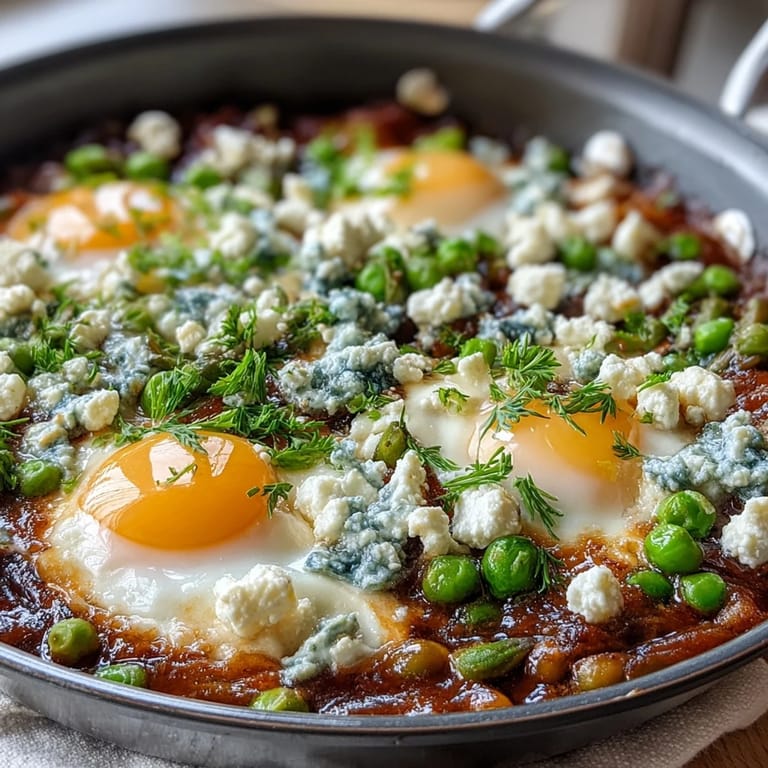
Shakshuka has always been a dish meant for sharing, and this vegetarian spring version honors that tradition perfectly. Everyone gets their own runny yolk to break into the sauce, but you're all eating from the same pan, which creates an immediate sense of occasion that individual plated dishes somehow lose.
Making It Your Own
Once you've made this version, you'll start seeing variations everywhere. Zucchini works beautifully here, as does fresh spinach stirred in at the end, and if you have leftover herbs from something else, they almost always belong in this sauce. The base is flexible enough to bend with what you have while staying true to what it is.
- For a vegan version, simply leave out the eggs and feta, then add a can of chickpeas for protein and substance.
- Serve with harissa or chili oil on the side if you like heat, letting everyone adjust to their own taste.
- A crisp white wine or sparkling water with lemon goes beautifully alongside, cutting through the richness without competing.
 Pin
Pin This is the kind of recipe that gets better the more you make it, not because you're improving your technique, but because you're trusting your instincts more. Serve it, share it, and let it become yours.
Recipe Q&A
- → Can I use frozen peas and broad beans?
Yes, frozen vegetables work beautifully in this dish. Simply blanch them briefly in boiling water before adding to the tomato sauce, just as you would with fresh. No need to thaw beforehand.
- → How do I know when the eggs are done?
Cook covered on low heat for 7-10 minutes. The whites should be fully set and opaque, while yolks remain slightly jiggly when you gently shake the pan. They'll continue cooking slightly from residual heat.
- → What can I serve with this shakshuka?
Crusty bread, flatbreads, or pita are ideal for scooping up the sauce and runny eggs. A crisp green salad with lemon dressing complements the richness. For gluten-free options, serve with gluten-free bread or enjoy as is.
- → Can I make this vegan?
Absolutely. Simply omit the eggs and feta cheese. Add a can of drained chickpeas or white beans during the last few minutes of cooking to maintain protein content. Finish with fresh herbs and a drizzle of good olive oil.
- → How spicy is this dish?
The chili flakes are optional and provide mild warmth. The smoked paprika adds depth rather than heat. For more spice, increase chili flakes or serve with harissa on the side so diners can adjust to their preference.