 Pin
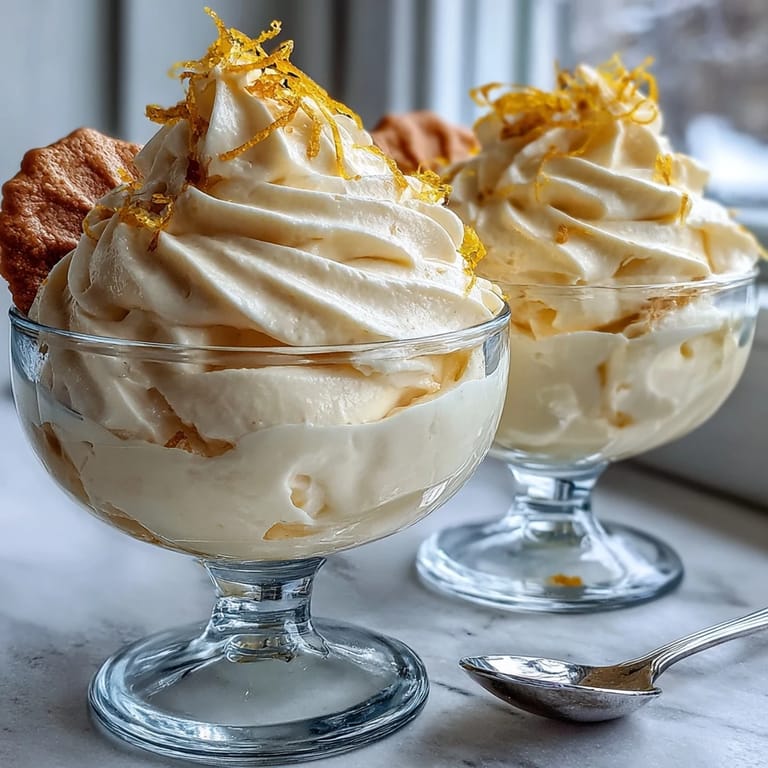
Pin My mum pulled a dusty recipe card from her kitchen drawer one summer afternoon, insisting that a proper Lemon Fool would be exactly what we needed after a heavy meal. I'd never heard of it before—the name alone made me laugh—but twenty minutes later, I understood why this British classic has survived generations. There's something magical about how quickly silky lemon cream transforms into cloud-like elegance when folded with whipped cream, and honestly, it felt like I'd discovered a secret that had been hiding in plain sight.
I remember serving this to a dinner party where one guest had just returned from London, and watching her face light up at that first spoonful was worth every minute. She kept saying she hadn't tasted one since childhood, and suddenly this simple dessert became a bridge between her memories and mine, even though I'd only discovered it weeks before.
Ingredients
- Eggs: Large eggs provide richness and structure to the custard base; room temperature eggs whisk more smoothly and incorporate air better, though chilling the finished cream helps set everything.
- Granulated sugar: This sweetens the lemon cream without graininess; whisk it with eggs until pale and thick before cooking to avoid scrambling.
- Lemons: Fresh, ripe lemons with thin skins yield the most juice; zest before juicing and taste your juice to ensure brightness (older lemons can be disappointingly muted).
- Unsalted butter: Cubed and cold, it whisks into the hot cream creating silky texture; using salted butter throws off the delicate balance here.
- Heavy cream: Cold cream whips faster and holds peaks better; room temperature cream can turn grainy, so chill your bowl if you're in a warm kitchen.
- Powdered sugar: Fine texture dissolves instantly into cream without grittiness; adds gentle sweetness without competing with lemon.
- Vanilla extract: A whisper of vanilla deepens the creaminess without announcing itself; pure extract matters here.
Tired of Takeout? 🥡
Get 10 meals you can make faster than delivery arrives. Seriously.
One email. No spam. Unsubscribe anytime.
Instructions
- Build your lemon custard:
- Crack your eggs into a small saucepan, add sugar, zest, and juice, then whisk everything together until the mixture turns pale and frothy. You're essentially making a light lemon custard that will thicken as it gently warms.
- Cook with patience:
- Set your heat to low and stir constantly with a whisk, watching as the mixture gradually thickens and clings to the back of a spoon like velvet. This takes about four to five minutes—rushing the heat risks scrambling eggs instead of creating custard.
- Finish with butter:
- Remove from heat immediately once it coats the spoon, then whisk in cubed cold butter until the mixture becomes glossy and completely smooth. The butter melts from residual heat, creating richness without any graininess.
- Chill the base:
- Pour your lemon cream into a bowl, press plastic wrap directly onto the surface to prevent a skin from forming, then refrigerate for at least twenty minutes. If you're impatient (I usually am), the freezer works for ten minutes—stir occasionally so edges don't set too fast.
- Whip your cream:
- Pour cold heavy cream into a mixing bowl, add powdered sugar and vanilla, then whisk or beat until soft peaks form—the cream should hold a shape but still feel pillowy. Over-beating risks turning it grainy and separated.
- Fold with intention:
- Add the cooled lemon cream to whipped cream and gently fold together with a spatula, making loose swoops through the mixture rather than aggressive stirring. Leaving some marbled streaks of each element looks intentional and beautiful.
- Serve your masterpiece:
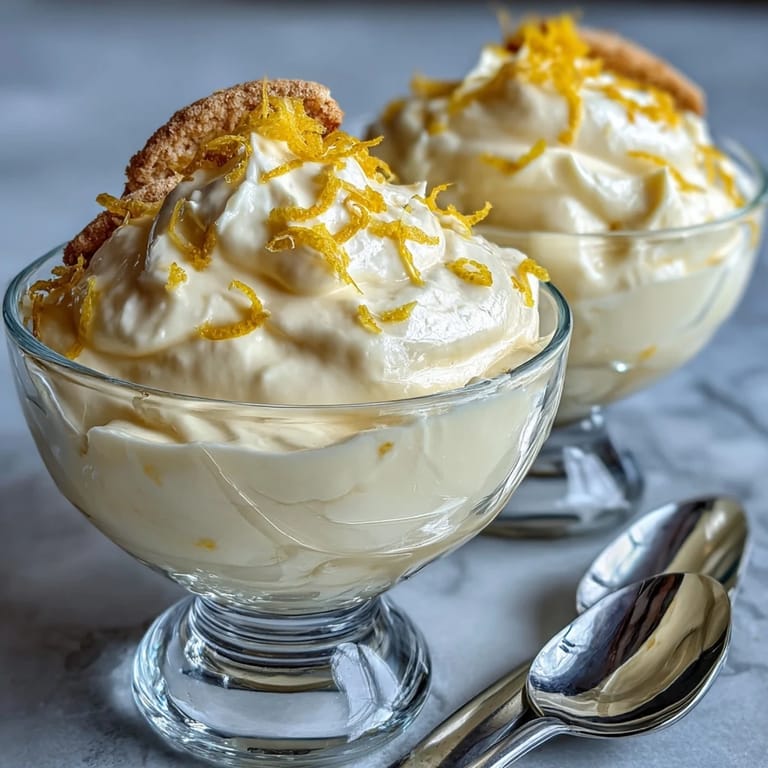
- Spoon the fool into chilled glasses or bowls, top with lemon zest or fresh berries if you have them, and serve immediately or chill for up to two hours. The longer it sits, the more the flavors meld into something even more cohesive.
 Pin
Pin There's a moment during that gentle folding when you stop thinking about technique and just watch the two components play together, creating something neither could be alone. That's when I understood why this dessert has endured—it's equal parts discipline and magic, and somehow it feels celebratory even in its simplicity.
Why This Dessert Works
The genius of a fool lies in contrast: tangy-bright lemon against silky cream, warmth of custard against cool whipped texture, and the textural play between smooth and cloud-like. Every spoonful feels luxurious without heaviness, which is precisely why it's ideal after rich mains or on warm days when something lighter calls to you. I've learned that this balance is what makes it unforgettable—not a single ingredient dominates; they dance together instead.
Flavor Variations Worth Trying
Once you've mastered the classic lemon version, your kitchen becomes a laboratory for citrus exploration. Lime fools arrive with tropical brightness, orange versions feel almost dessert-like in their warmth, and I've even experimented with blood oranges when they arrive in winter—the earthiness transforms the entire dish. The method stays constant; only the fruit and zest change, so you can play endlessly without learning anything new.
Serving and Storage Secrets
I discovered that serving glasses chilled beforehand keeps the fool at perfect temperature longer, and that layering it with crushed meringues creates a textural contrast that somehow makes each component taste sharper and more defined. Mascarpone folded in alongside cream adds richness for occasions when light feels insufficient, and fresh raspberries transform it into something that feels almost like a special occasion without requiring much extra work.
- Chill your serving glasses before spooning in the fool—the difference in temperature preservation is surprisingly noticeable.
- Fresh berries added just before serving prevent them from weeping juice into the cream and diluting brightness.
- Leftover fool stays best covered in the refrigerator for up to two days, though the texture gradually softens as the whipped cream settles.
 Pin
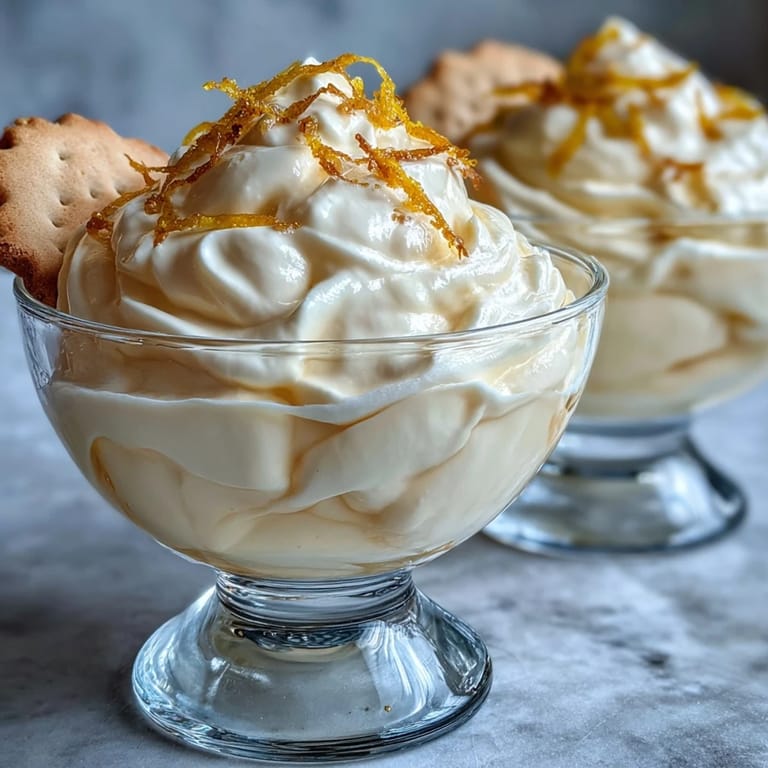
Pin This Lemon Fool has become my answer to that question everyone dreads: what's for dessert? It's the kind of recipe that proves the British understood something essential about hospitality and comfort. Make it tonight and you'll understand why.
Recipe Q&A
- → Can I prepare Lemon Fool in advance?
Yes, you can prepare Lemon Fool up to 2 hours ahead and keep it chilled until serving. For best texture, avoid making it more than a few hours in advance as the whipped cream may begin to deflate.
- → What other citrus fruits work well in this dessert?
Limes and oranges make excellent substitutes for lemons. Blood oranges add beautiful color, while grapefruit creates a more sophisticated, slightly bitter note. Use the same quantities as the lemon.
- → How do I know when the lemon cream is properly thickened?
The lemon cream is ready when it coats the back of a spoon and holds a line when you run your finger through it. This typically takes 4-5 minutes of constant stirring over low heat.
- → Can I make this dessert dairy-free?
For a dairy-free version, substitute coconut cream for the heavy cream and use coconut oil or vegan butter in the lemon curd. Ensure your coconut cream is well-chilled before whipping for best results.
- → What's the best way to serve Lemon Fool?
Serve in individual glasses or bowls to showcase the creamy texture. Pair with shortbread biscuits, fresh berries, or a sprinkle of lemon zest. It's delicious layered with crushed meringues or fresh raspberries.
- → Why is my lemon cream curdling during cooking?
Curdling occurs when the heat is too high. Always cook over low heat and stir constantly. If you notice any curdling beginning, immediately remove from heat and whisk vigorously to smooth it out.