 Pin
Pin My first attempt at making crème de cassis happened on a whim after finding a punnet of impossibly dark blackcurrants at the farmer's market on a grey afternoon. The vendor mentioned they'd been grown just outside the city, and something about that proximity made me want to transform them into something that would last through winter. I'd never made a liqueur before, but the process felt less like cooking and more like creating a small potion—one that required patience and faith in time itself.
I remember the moment I first used my finished liqueur at a dinner party, drizzling it into champagne flutes for Kir Royales. One guest closed her eyes after the first sip and said, 'This tastes like summer in a glass'—and honestly, that's when I understood the difference between following a recipe and creating something that meant something.
Ingredients
- Fresh blackcurrants, 500 g: These small, dark berries are the soul of this liqueur; their tartness balanced with natural sugars creates complexity that no other fruit quite matches. Look for berries that feel heavy for their size and smell intensely fragrant.
- Granulated sugar, 500 g: The sugar isn't just sweetness—it draws moisture from the berries and becomes part of the infusion process, so don't skip the daily stirring that dissolves it.
- Vodka or neutral spirit, 700 ml: Choose something you'd drink on its own, as the quality of your spirit directly shapes the final liqueur. The 40% ABV minimum matters because it stops the infusion from spoiling.
- Vanilla bean, 1 (optional but recommended): If you include it, split it lengthwise so the tiny seeds can scatter through the liquid; this adds a whisper of floral warmth that rounds out the berry sharpness.
Tired of Takeout? 🥡
Get 10 meals you can make faster than delivery arrives. Seriously.
One email. No spam. Unsubscribe anytime.
Instructions
- Prepare and crush:
- Pour your cleaned blackcurrants into a sterilized glass jar, then gently crush them with a potato masher or wooden spoon—you're aiming to split their skins and release the juice, not obliterate them into pulp. You'll see dark juice pooling immediately, and that's exactly what you want.
- Build the base:
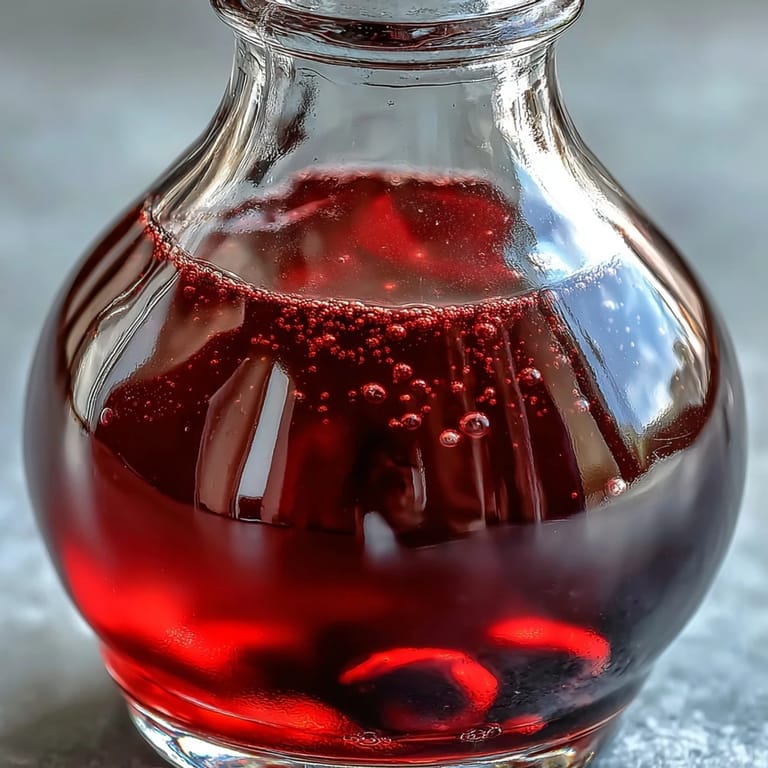
- Pour the vodka over the crushed berries and add the split vanilla bean if you're using one. The liquid will deepen in color almost instantly, shifting to a wine-dark shade that's genuinely beautiful to watch.
- Seal and rest:
- Stir everything together thoroughly, then seal the jar tightly and place it in a cool, dark cupboard or corner—somewhere you'll naturally remember to tend it each day.
- Daily attention:
- For the next seven days, shake or stir the jar each morning or evening, watching as the sugar gradually dissolves and the flavors meld together. This daily ritual becomes oddly meditative, and you'll notice the color deepens with each passing day.
- Strain and refine:
- After seven days, pour the mixture through a fine mesh sieve lined with cheesecloth into a clean bowl, pressing gently on the solids to extract every drop of liquid without forcing through the sediment. If you prefer a crystal-clear liqueur, strain once more through fresh cheesecloth.
- Bottle and store:
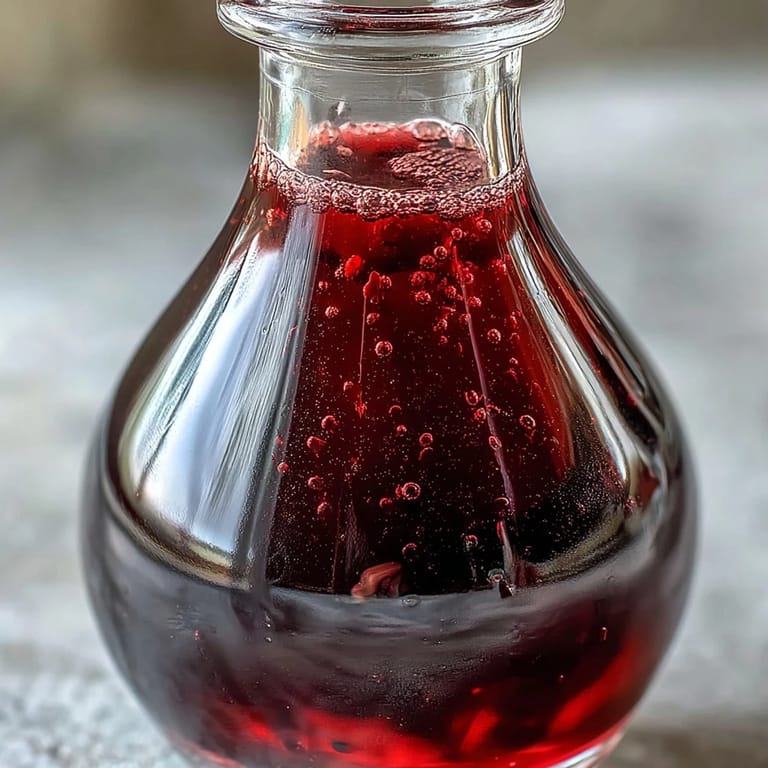
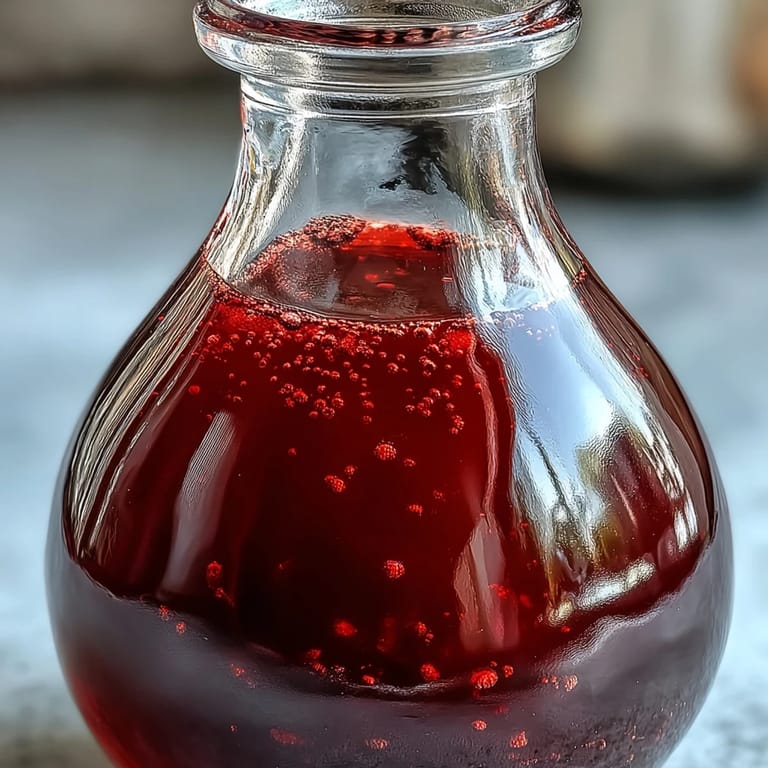
- Pour your finished liqueur into sterilized bottles using a funnel, seal them tightly, and store in a cool, dark place. It's ready to use immediately, but it becomes noticeably smoother and more refined after a few weeks of rest.
 Pin
Pin The moment I served my crème de cassis to someone I cared about and watched their face light up with genuine surprise—that's when I realized this wasn't just about making a liqueur. It was about creating something with my own hands that could bring a small moment of joy to someone else's evening, and that's worth the week of daily attention.
Flavor Variations Worth Exploring
Once you understand the basic technique, you can experiment with different spirits and subtle additions. Brandy instead of vodka brings a richer, more complex warmth that feels more luxurious, while a splash of rose water added after straining introduces an unexpected floral note that's genuinely sophisticated. I've also played with a few whole cloves or a cinnamon stick during the maceration, and while these need restraint, they add a spiced depth that changes the entire character of the liqueur.
The Magic of Maceration
Maceration is simply time doing the work for you, which is why this project feels more like gardening than cooking. The blackcurrants slowly surrender their color, flavor, and essence to the alcohol and sugar, creating something that tastes nothing like the individual ingredients alone. Understanding this process—that patience and daily attention create results you can't rush—changes how you think about cooking in general.
Serving and Gifting Your Creation
Your homemade crème de cassis is most famous as the base for a Kir (mixed with dry white wine) or Kir Royale (mixed with champagne), but don't limit yourself to these classics. It's equally wonderful spooned over vanilla ice cream, stirred into cocktails, or simply sipped neat over ice on a quiet evening. The deep berry flavor and silky sweetness make it endlessly versatile, and because you made it yourself, it becomes a genuinely meaningful gift that no store-bought bottle can match.
- Always gift your crème de cassis in dark glass bottles with a handwritten label noting the date, because homemade liqueurs are small treasures worth presenting with care.
- Store bottles upright in a cool, dark place away from direct sunlight, and your liqueur will remain perfect for up to a year, though honestly it rarely lasts that long.
- If someone asks for your secret, tell them it's simply good blackcurrants, patience, and the kind of daily attention that transforms ordinary ingredients into something extraordinary.
 Pin
Pin Making crème de cassis taught me that the best recipes aren't the fastest ones, but the ones that ask you to show up, pay attention, and trust the process. Every sip of your finished liqueur is a reminder of those seven days of anticipation and the simple pleasure of creating something beautiful.
Recipe Q&A
- → How long does Crème de Cassis keep?
Properly stored in a cool, dark place, your homemade liqueur will keep for up to one year. The alcohol content acts as a natural preservative, maintaining quality throughout storage.
- → Can I use frozen blackcurrants?
Fresh blackcurrants yield optimal results, but frozen berries work adequately when fresh aren't available. Thaw completely before macerating and expect slightly altered texture in the final product.
- → What's the difference between using vodka versus brandy?
Vodka provides a neutral base letting blackcurrant flavors shine. Brandy adds depth and warmth, creating a more complex profile. Choose based on your preferred flavor intensity.
- → How do I make my liqueur sweeter?
Increase sugar by 50–100 grams during preparation. Remember that sugar dissolves gradually during maceration, so taste after seven days before adding more.
- → What cocktails can I make with Crème de Cassis?
Classic options include Kir (with white wine) and Kir Royale (with Champagne). Also delicious in spritzes, martini variations, or simply poured over ice for an elegant aperitif.
- → Should I filter twice?
Single straining through cheesecloth produces an acceptable product. Double filtering creates exceptionally clear liqueur, preferred for elegant presentation in cocktails.