 Pin
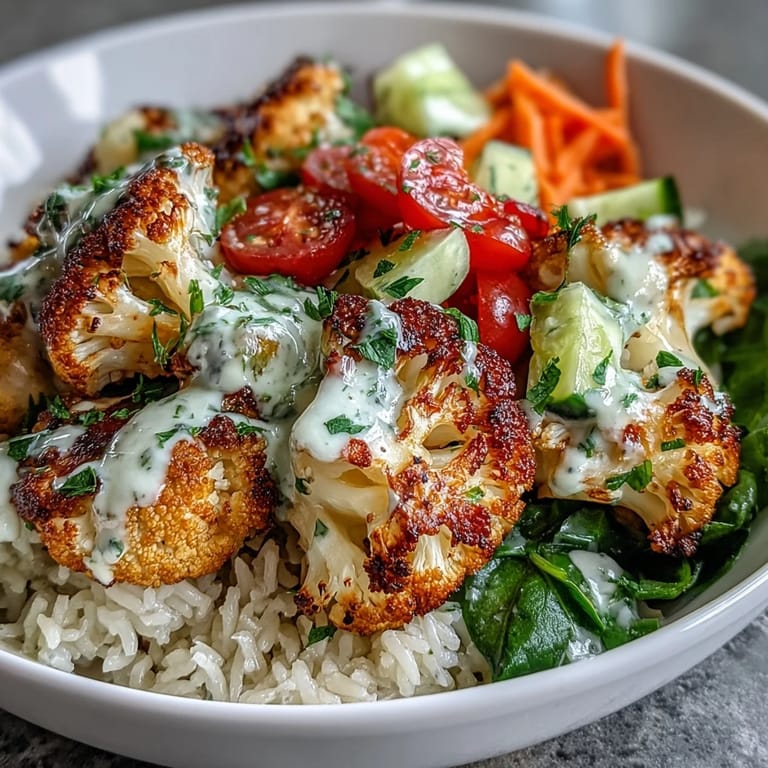
Pin My neighbor knocked on my door one Tuesday evening holding a container of golden roasted cauliflower that smelled like a Mediterranean garden. She'd been experimenting with grain bowls and wanted a second opinion. I took one bite and immediately asked her to write down what she'd done. That cauliflower, crispy edged and herb scented, changed how I thought about weeknight dinners. Now I make some version of this bowl at least twice a month, adjusting the vegetables based on what's threatening to wilt in my crisper drawer.
I started making these bowls during a particularly busy spring when I was juggling too many projects and skipping too many real meals. My partner would come home to find me eating cereal for dinner again, and finally suggested I needed something I could actually assemble without thinking. This bowl became my answer. I'd prep the components on Sunday, and all week long I'd build different combinations, sometimes adding leftover chicken, other times keeping it purely vegetarian. It felt like taking care of myself without the pressure of complicated cooking.
Ingredients
- Cauliflower: Choose a head that feels heavy for its size with tight, creamy florets, and don't cut the pieces too small or they'll turn to mush instead of developing those caramelized edges we're after.
- Olive oil: This is what creates the golden crust on your cauliflower, so don't be shy with it, though you can use avocado oil if you prefer a higher smoke point.
- Dried oregano and thyme: These Mediterranean herbs bring warmth without overpowering the vegetables, and I've learned that crushing them between your palms before adding releases their oils.
- Smoked paprika: Just half a teaspoon adds a subtle depth that makes people ask what your secret is, though regular paprika works if that's what you have.
- Basmati or jasmine rice: Both steam up fluffy and fragrant, providing a neutral base that soaks up the tahini sauce beautifully.
- Cherry tomatoes: Their sweetness bursts against the savory cauliflower, and halving them lets their juices mingle with the other ingredients.
- Cucumber and carrots: These add crunch and freshness, cutting through the richness of the tahini and keeping each bite interesting.
- Baby spinach: It wilts slightly when you place the warm cauliflower on top, creating a perfect textural contrast without any extra cooking.
- Tahini: The star of the sauce, it transforms from thick paste to silky drizzle with just lemon juice and water, bringing nutty richness to every component.
- Lemon juice: Fresh is always better here, brightening the tahini and balancing its earthiness with sharp citrus notes.
- Maple syrup: A small amount rounds out the sauce, smoothing any bitterness from the tahini without making it taste sweet.
Tired of Takeout? 🥡
Get 10 meals you can make faster than delivery arrives. Seriously.
One email. No spam. Unsubscribe anytime.
Instructions
- Get the oven ready:
- Preheat to 425°F and line your baking sheet with parchment paper, which prevents sticking and makes cleanup almost effortless. I learned this after scrubbing one too many pans.
- Season the cauliflower:
- Toss the florets in a large bowl with olive oil and all the herbs and spices until every piece is coated. The oil should glisten on each floret, catching the dried herbs in every crevice.
- Roast until golden:
- Spread the cauliflower in a single layer on your prepared sheet and roast for 25 to 30 minutes, tossing halfway through. You'll know it's done when the edges turn deep golden brown and your kitchen smells incredible.
- Cook the rice:
- While the cauliflower roasts, bring rice, water, and salt to a boil, then reduce to low, cover, and let it simmer for 15 minutes. Resist lifting the lid, which releases steam and leads to unevenly cooked grains.
- Mix the tahini sauce:
- Whisk together tahini, lemon juice, water, olive oil, maple syrup, garlic powder, salt, and pepper until smooth and pourable. Add water a tablespoon at a time if it's too thick, aiming for a consistency that drizzles easily from a spoon.
- Build your bowls:
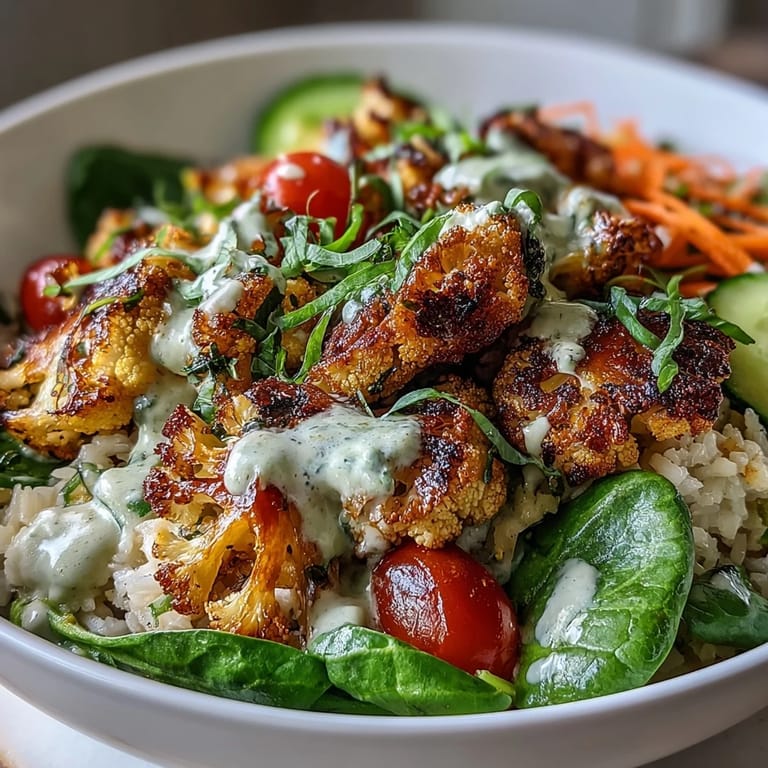
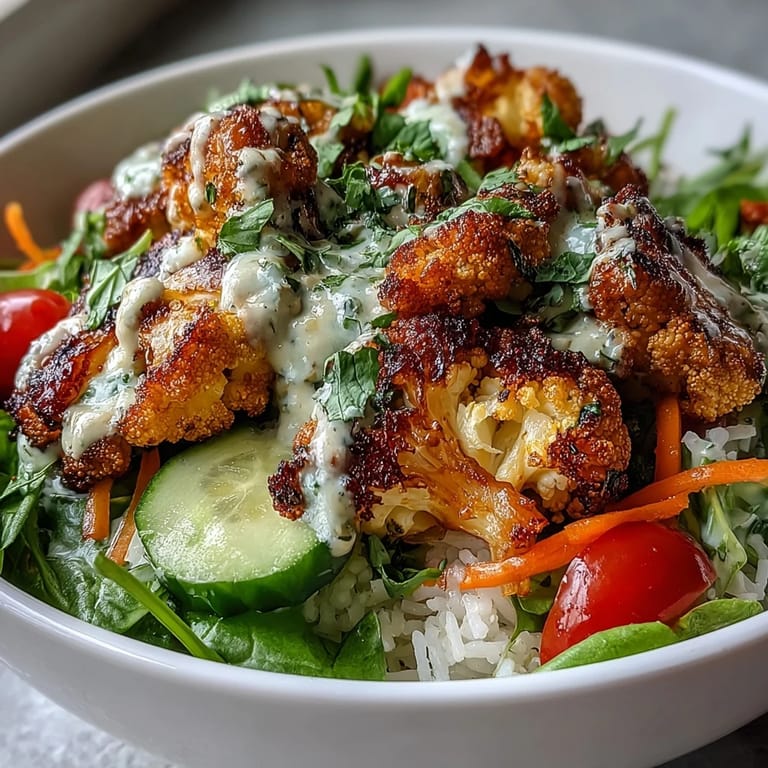
- Divide the fluffy rice among four bowls, then layer on the spinach, roasted cauliflower, tomatoes, cucumber, carrots, and red onion. Drizzle generously with tahini sauce and serve while the cauliflower is still warm.
 Pin
Pin Last month I brought this bowl to a potluck, packed in separate containers so I could assemble it there. Three people asked for the recipe before we even sat down to eat. One friend, who claimed she hated cauliflower, went back for seconds and texted me the next day asking how to make the tahini sauce. It reminded me that sometimes the simplest combinations, things you throw together on a weeknight, end up being the dishes people remember.
Making It Your Own
The beauty of this bowl is how forgiving it is when you want to improvise. I've added roasted chickpeas for extra protein and crunch, swapped the spinach for arugula when I wanted peppery bite, and even used leftover roasted sweet potato instead of cauliflower when I was cleaning out my fridge. My friend uses quinoa instead of rice and adds crumbled feta for a Mediterranean spin. The tahini sauce works with almost any combination you dream up, so think of this recipe as a template rather than strict instructions.
Storage and Meal Prep
I've gotten into the habit of making double batches of roasted cauliflower because it keeps well for four days in the fridge and tastes delicious cold. Store each component separately so nothing gets soggy, rice in one container, vegetables in another, cauliflower in a third. The tahini sauce thickens as it sits, so you'll need to whisk in a bit more water before using. When I'm organized enough to prep on Sunday, I have healthy lunches ready all week, which has saved me from the sad desk salad routine more times than I can count.
Finishing Touches
Sometimes it's the small additions that make a bowl feel special rather than like assembled leftovers. A handful of toasted sesame seeds adds nutty crunch and makes the presentation prettier. Fresh herbs like cilantro or parsley brighten everything up, especially if your vegetables are all from the fridge rather than the farmers market. A squeeze of extra lemon juice right before eating wakes up flavors that may have mellowed during storage.
- Try adding a pinch of red pepper flakes to the tahini sauce if you like subtle heat that builds with each bite.
- Toasted pumpkin seeds or slivered almonds bring texture and healthy fats without much effort.
- A small handful of fresh pomegranate seeds in winter adds jewel like bursts of sweetness.
 Pin
Pin This bowl has become my answer to those nights when I want something nourishing without spending an hour in the kitchen. I hope it becomes that kind of recipe for you too, the one you turn to when you need to feed yourself well without making it complicated.
Recipe Q&A
- → Can I make this ahead of time?
Yes, you can roast the cauliflower and cook the rice up to 3 days in advance. Store them separately in airtight containers in the refrigerator. The tahini sauce also keeps well for 3 days. Assemble the bowls just before serving for the best texture and flavor.
- → What other grains can I use instead of rice?
Quinoa, brown rice, farro, or even couscous work beautifully as alternatives. Adjust the cooking time and liquid ratio according to your chosen grain. Quinoa typically cooks in 15 minutes, while brown rice may take 45 minutes to become tender.
- → How can I add more protein to this bowl?
Chickpeas, grilled tofu, tempeh, or roasted chickpeas are excellent vegetarian protein options. You can also add a hard-boiled egg, grilled chicken strips, or leftover roasted salmon if you eat meat. Simply increase portion sizes to suit your nutritional needs.
- → Is the tahini sauce customizable?
Absolutely. For a thinner consistency, add more water. Make it spicier with sriracha or harissa. Fresh herbs like cilantro or parsley add brightness. Substitute maple syrup with agave or omit the sweetener entirely if preferred.
- → Can I use frozen cauliflower instead of fresh?
Frozen cauliflower works but results in a softer texture. Thaw and pat dry thoroughly before tossing with oil and spices. Roast at the same temperature but may need an extra 5-10 minutes to achieve golden edges. Fresh cauliflower yields the best crispy, caramelized results.