 Pin
Pin There's a particular moment in the kitchen when you realize a glaze can transform something ordinary into something memorable. I was standing at the stove on a gray Sunday afternoon, whisking together black currant preserves and balsamic vinegar, when the aroma hit me—that unexpected marriage of tart berries and deep, mellow vinegar that somehow felt both sophisticated and comforting. That's when I understood this glaze wasn't just about coating meat or vegetables; it was about creating a reason for people to linger over dinner and ask for seconds.
Last winter, I brought this glaze to a family dinner where my cousin had brought a plain baked ham. I brushed it on during the last thirty minutes of baking, and the kitchen filled with this incredible caramelized berry scent that made everyone wander in asking what smelled so good. By the time we sat down, that ham had become the star of the table, and I realized the quiet magic of a good glaze is how it makes people feel like you've done something far more complicated than you actually have.
Ingredients
- Black currant preserves or jam: The heart of this glaze, providing deep berry flavor and natural pectin that helps it cling beautifully to whatever you're cooking; if you can't find black currant, red currant or cherry work just as well.
- Balsamic vinegar: This adds sophistication and cuts through the sweetness with its mellow, complex tanginess that somehow makes the fruit taste even fruitier.
- Honey: A touch of liquid sweetness that rounds out the sharp edges and creates that glossy shine you're after.
- Dijon mustard: Just enough to add a subtle background heat and an almost invisible savory note that makes people wonder what your secret is.
- Unsalted butter: This melts into the glaze and gives it a silky texture and luxurious mouthfeel that separates a good glaze from a great one.
- Brown sugar: Adds depth and helps the glaze caramelize slightly, creating that sticky, burnished finish.
- Fresh thyme leaves: Optional, but if you have them, they bring an herbal whisper that elevates the whole situation.
- Ground black pepper: A grind or two adds warmth and prevents the glaze from feeling one dimensional.
- Salt: Just a pinch to wake up all the other flavors and make them taste like themselves.
Tired of Takeout? 🥡
Get 10 meals you can make faster than delivery arrives. Seriously.
One email. No spam. Unsubscribe anytime.
Instructions
- Gather and measure everything:
- I learned the hard way that having all your ingredients prepped means you won't stand there stirring frantically while hunting for the honey jar. Set them out in the order you'll use them, and you'll move through this with ease.
- Combine the base ingredients:
- In your saucepan, put the preserves, balsamic vinegar, honey, mustard, butter, and brown sugar together over medium heat. You'll see the butter start to melt immediately, and the whole mixture will begin to loosen and become pourable.
- Stir until smooth:
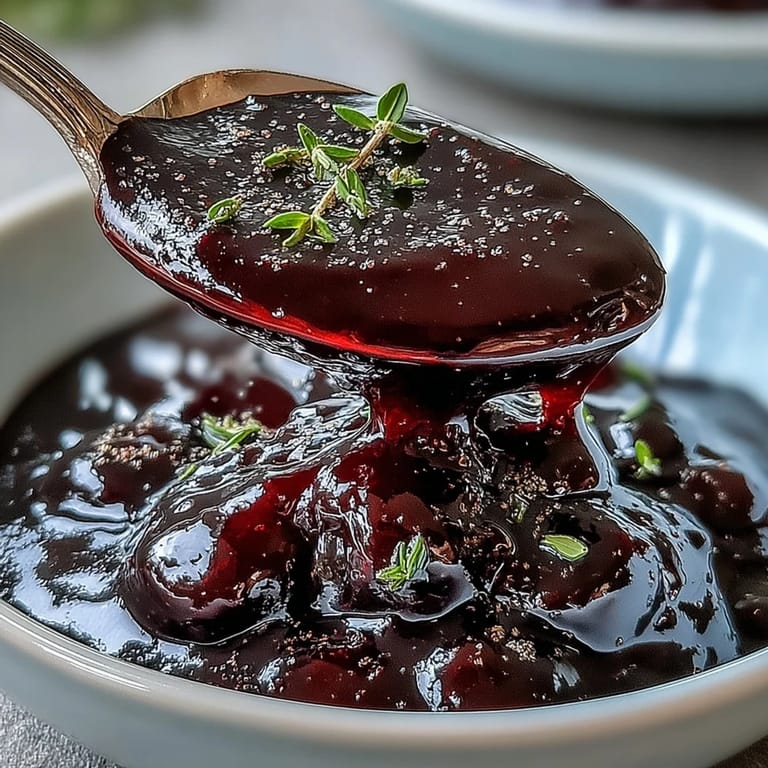
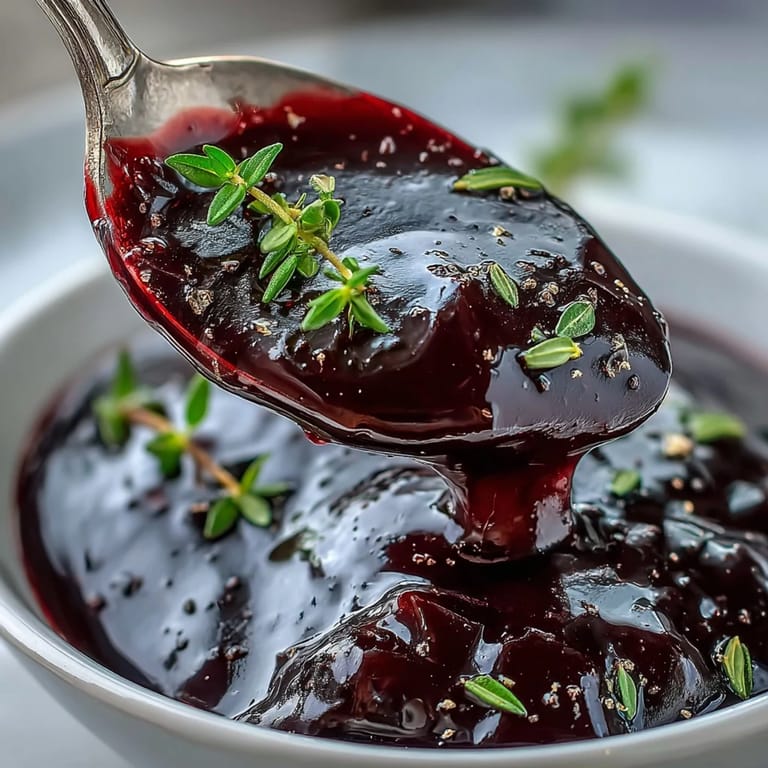
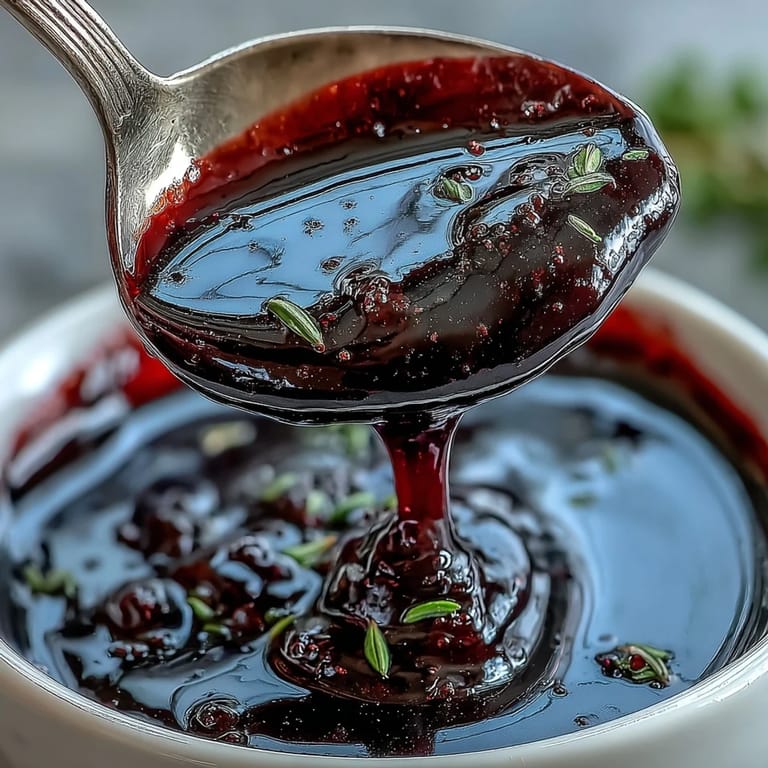
- Use a whisk or spoon to move everything around gently but steadily until there are no lumps and the texture feels unified. This takes maybe two or three minutes, and you'll know it's ready when it looks like a glossy sauce rather than a chunky preserve.
- Add the flavorings:
- Drop in the thyme if you're using it, grind in the black pepper, and add your pinch of salt. Give it a good stir and let the kitchen fill with that herbal warmth.
- Simmer and thicken:
- Lower the heat to a gentle bubble and let it cook for five to seven minutes, stirring every minute or so. You're watching for the moment when it goes from thin to glossy, when it coats the back of a spoon and doesn't immediately run off.
- Finish and use:
- Remove from heat and either brush it on your meat or vegetables during their final twenty to thirty minutes of cooking, or serve it as a warm sauce on the side. The residual heat will keep it at the perfect consistency for brushing or drizzling.
 Pin
Pin The first time I served this glaze, my partner took one bite and asked if I'd made it from scratch or bought it somewhere fancy. That moment of realizing something so simple could feel so deliberately crafted taught me that cooking isn't about complexity—it's about knowing which few things matter most and treating them with respect.
What Makes This Glaze Work
The secret is the interplay between tart and sweet, held together by the richness of butter. Black currants are already complex, with a slightly spicy edge that makes them less cloying than other berry jams, so when you add balsamic vinegar, you're not fighting against sweetness; you're creating a conversation. The honey and brown sugar don't make it sugary; they make it shiny and help it coat evenly, while the mustard and pepper remind your palate that this is savory territory, not dessert.
When to Brush and When to Serve
There are two ways to use this glaze, and they create slightly different effects. Brushing it on during the last twenty to thirty minutes of cooking allows it to meld with the meat's juices and caramelize in spots, creating those dark, sticky patches that people reach for first. Serving it warm on the side lets people control how much they want, and it feels more like a sauce than a coating. I do both depending on my mood and what I'm cooking—ham gets the brushing treatment, but vegetables sometimes prefer the dignity of a sauce boat on the side.
Storing and Making Ahead
This glaze actually improves slightly after a day in the fridge, as the flavors continue to mingle and soften. You can make it up to a week ahead and reheat it gently on the stove whenever you need it, which makes it perfect for busy days when you want to feel like you've done something special without the stress. The texture will be thicker when cold, so just whisk in a splash of water or balsamic if it needs thinning out.
- Keep leftovers in a sealed glass jar in the fridge, where they'll last about a week before the flavors start to fade.
- Reheat gently on the stove over low heat, stirring occasionally, until it reaches glazing consistency again.
- Frozen portions also work, so don't hesitate to make a double batch when the mood strikes.
 Pin
Pin Black currant glaze has become my go-to when I want people to feel cared for without announcing how much effort I've put in. It's the kind of thing that makes ordinary Sunday dinners feel a little bit special.
Recipe Q&A
- → What dishes pair best with black currant glaze?
This glaze complements roasted meats like pork, chicken, and duck beautifully. It also works well with baked root vegetables or as a finishing touch for glazed ham.
- → Can I make this glaze ahead of time?
Yes, prepare the glaze up to a week in advance. Store in a sealed jar in the refrigerator and reheat gently before applying to your dish.
- → What's the best way to apply the glaze?
Use a pastry brush to coat meats or vegetables during the last 20-30 minutes of cooking. This allows the glaze to set and become glossy without burning.
- → Can I substitute the black currant preserves?
Red currant or cherry preserves work well as alternatives. The flavor profile will shift slightly but still provide that sweet-tangy finish.
- → How do I achieve the smoothest consistency?
For an ultra-smooth glaze, strain through a fine mesh sieve after simmering. This removes any fruit pieces or seeds for a perfectly glossy finish.
- → Is this glaze suitable for special diets?
This glaze is vegetarian and gluten-free. For a dairy-free version, substitute the butter with a plant-based alternative.