 Pin
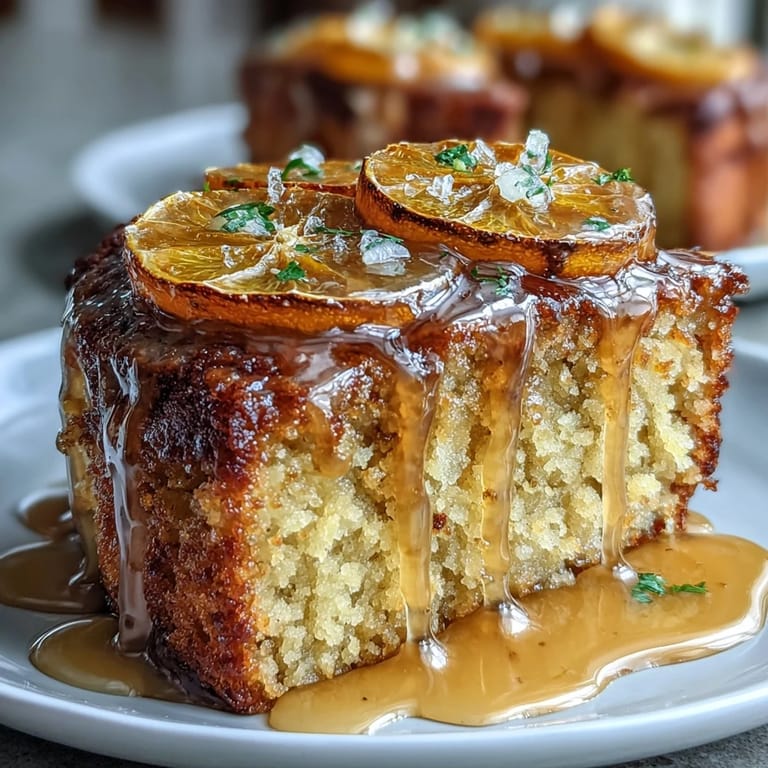
Pin Experience the essence of the Mediterranean with this stunning Candied Orange Olive Oil Cake. This dessert isn't just a treat for the palate; it's a visual masterpiece. A moist, fragrant crumb infused with extra virgin olive oil and citrus zest provides the perfect foundation for homemade candied orange slices that caramelize beautifully as they bake. Finished with a sharp, bright citrus glaze, this cake is an elegant choice for a sophisticated afternoon tea or a show-stopping finale to a dinner party.
Pin Olive oil cakes are celebrated for their unique ability to balance richness with a light, fruity undertone. Unlike butter-based cakes, they remain tender even when chilled, making them the ultimate make-ahead dessert. By candying the oranges ourselves, we ensure every bite is bursting with concentrated citrus flavor and a delightful chew.
Ingredients
Tired of Takeout? 🥡
Get 10 meals you can make faster than delivery arrives. Seriously.
One email. No spam. Unsubscribe anytime.
- Candied Oranges: 2 medium oranges (thinly sliced), 1 cup (200 g) granulated sugar, 1 cup (240 ml) water.
- Cake: 2 cups (250 g) all-purpose flour, 1 1/2 teaspoons baking powder, 1/2 teaspoon baking soda, 1/2 teaspoon salt, 1 cup (200 g) granulated sugar, Zest of 1 orange, 3 large eggs (room temperature), 3/4 cup (180 ml) extra virgin olive oil, 3/4 cup (180 ml) whole milk (room temperature), 1 teaspoon vanilla extract.
- Citrus Glaze: 1 cup (120 g) powdered sugar (sifted), 2–3 tablespoons fresh orange juice, 1 tablespoon lemon juice.
Instructions
- Step 1: Prepare the Candied Oranges
- In a large skillet, combine sugar and water. Bring to a simmer over medium heat, stirring until sugar dissolves. Add orange slices in a single layer. Simmer gently for 20–25 minutes, flipping occasionally, until translucent and tender. Transfer slices to a parchment-lined tray to cool.
- Step 2: Prep the Oven and Pan
- Preheat oven to 350°F (175°C). Grease and line a 9-inch (23 cm) round cake pan with parchment paper.
- Step 3: Whisk Dry Ingredients
- In a bowl, whisk together flour, baking powder, baking soda, and salt.
- Step 4: Cream Sugar and Aromatics
- In a large mixing bowl, combine sugar and orange zest. Rub together to release oils. Whisk in eggs until pale and thick. Slowly stream in olive oil, whisking constantly.
- Step 5: Mix the Batter
- Add half the dry ingredients to the wet mixture, followed by half the milk and the vanilla. Repeat with remaining dry ingredients and milk, mixing until just combined.
- Step 6: Assemble
- Arrange a layer of candied orange slices on the bottom of the prepared pan. Pour batter over the oranges and smooth the top.
- Step 7: Bake and Cool
- Bake for 45–50 minutes, or until a toothpick inserted in the center comes out clean. Cool in the pan for 15 minutes, then invert onto a wire rack to cool completely.
- Step 8: Glaze and Serve
- For the glaze: Whisk together powdered sugar, orange juice, and lemon juice. Drizzle over cooled cake. Decorate with reserved candied oranges if desired.
Zusatztipps für die Zubereitung
To keep the cake tasting fresh, store any leftovers in an airtight container for up to 3 days. The flavors actually deepen by the second day as the citrus and olive oil continue to meld.
Varianten und Anpassungen
For a striking visual twist, use blood oranges when in season. If you prefer a slightly tangier crumb, you can substitute the whole milk with an equal amount of Greek yogurt.
Serviervorschläge
This cake pairs exceptionally well with a glass of Moscato d'Asti or a hot cup of Earl Grey tea. A dollop of lightly sweetened whipped cream or mascarpone on the side also complements the citrus notes beautifully.
 Pin
Pin Whether you are looking for a elegant dessert for a special occasion or a simple treat for your weekend coffee break, this Candied Orange Olive Oil Cake delivers a perfect balance of rustic charm and refined flavor. Happy baking!
Recipe Q&A
- → How are the candied oranges prepared?
Orange slices are simmered gently with sugar and water until translucent and tender, then cooled on parchment to develop sweetness and texture.
- → What gives the cake its moist texture?
The extra virgin olive oil and whole milk blend add richness and moisture, creating a tender, soft crumb.
- → Can I substitute ingredients for dietary preferences?
Yes, Greek yogurt can replace milk for a slightly tangier crumb, and blood oranges offer a dramatic flavor twist.
- → How is the citrus glaze made?
By whisking powdered sugar with fresh orange and lemon juice, the glaze provides a bright, zesty finish complementing the cake.
- → What is the best way to serve this cake?
This cake pairs beautifully with light wines like Moscato dAsti or fragrant beverages such as Earl Grey tea for an elegant serving.
- → How should leftovers be stored?
Store leftovers in an airtight container to maintain freshness for up to three days.